Planning a visit? Jump to How to Visit Shugakuin Imperial Villa for tickets, reservations, and access.
I saw it on someone else’s feed first.
An influencer had posted Shugakuin Imperial Villa at the very height of autumn: a pond reflecting an entire hillside of red maples under a hard blue sky. By the time that post reached me, it was already too late. Every reservation slot for the season was gone, and soon enough, so were the leaves.
I went anyway, in early winter. The garden was beautiful in the way a stage is beautiful after the show closes. I walked out with a plan, which is a polite word for a grudge.
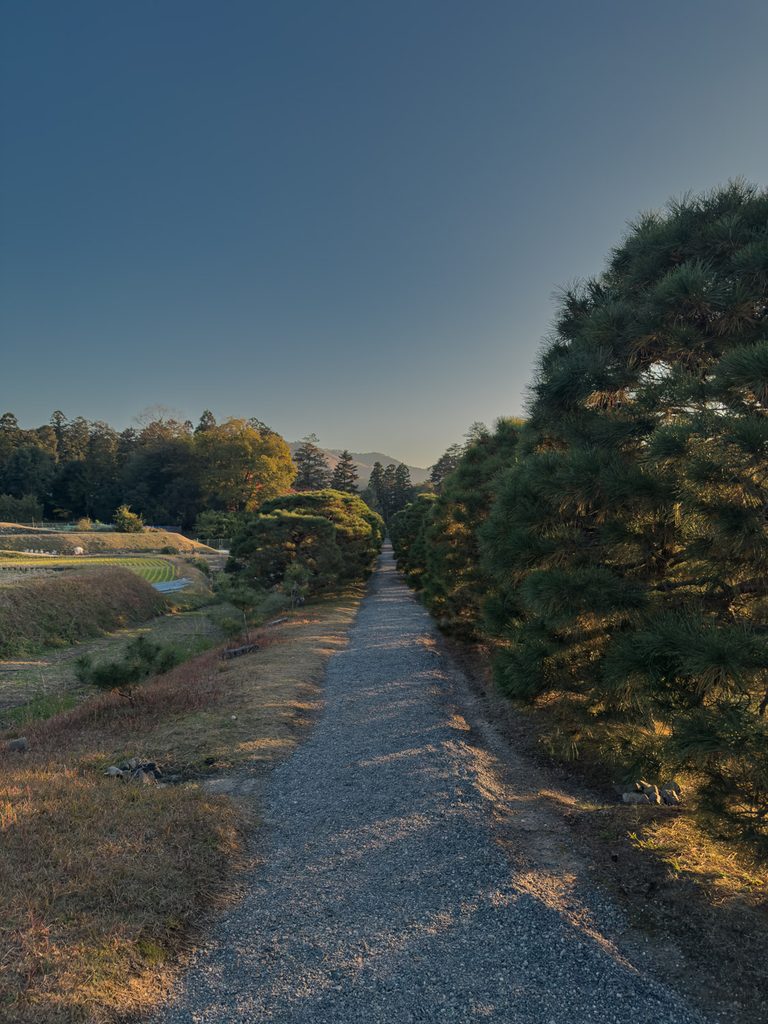
Shugakuin Imperial Villa, Shugakuin Rikyu in Japanese, spreads across the lower slopes of Mount Hiei on Kyoto’s northeastern edge. Emperor Go-Mizunoo built it in the 1650s, long after he had given up the throne in 1629 following years of friction with the Tokugawa shogunate. From my school textbooks, I remember him less as an emperor than as a man of culture, and Shugakuin is the reason. It appears in the cultural history pages as a masterpiece of shakkei, or borrowed scenery: a vast hillside retreat he is said to have helped design himself, with Mount Hiei and the surrounding hills drawn in as its backdrop. Three gardens, the Lower, Middle, and Upper Villas, are joined by pine-lined paths that run straight through rice paddies.
Betting on November 30
Applications open three months ahead, so I placed my bet in August, picking a date for the autumn leaves before summer was even over. There is no forecast for that. There is only a calendar and a guess. I guessed November 30, 2025.
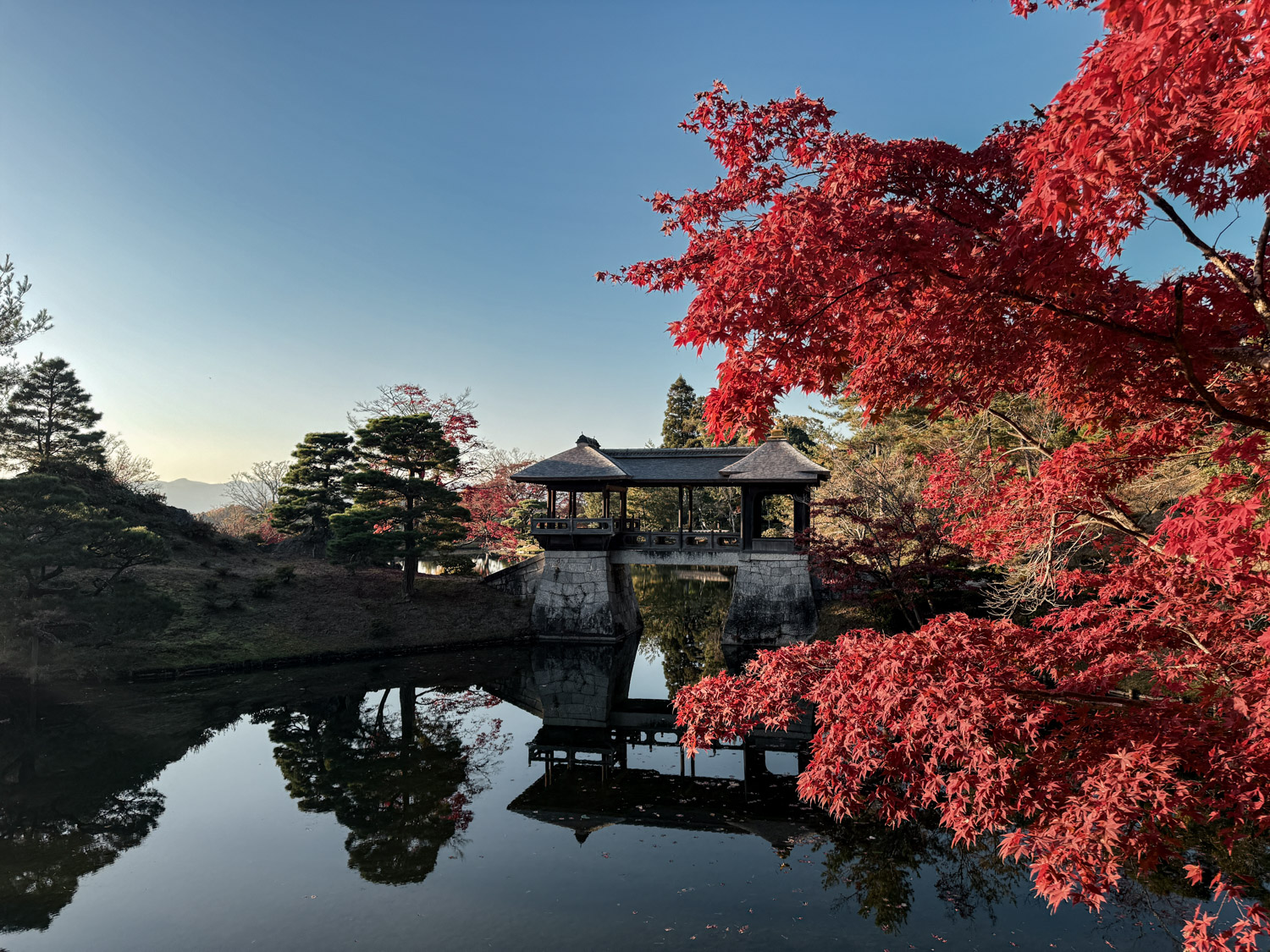
That same day I also had a tour at Sento Imperial Palace, in the flat middle of the city, and there the maples were close to their best. (I wrote about that afternoon here.) Up at Shugakuin, pressed against the mountain, they were already past it. One garden at its peak, one just beyond, on the same day and only a few miles apart. Here, some of the branches were already thinning, the leaves at their edges gone brown and dry.
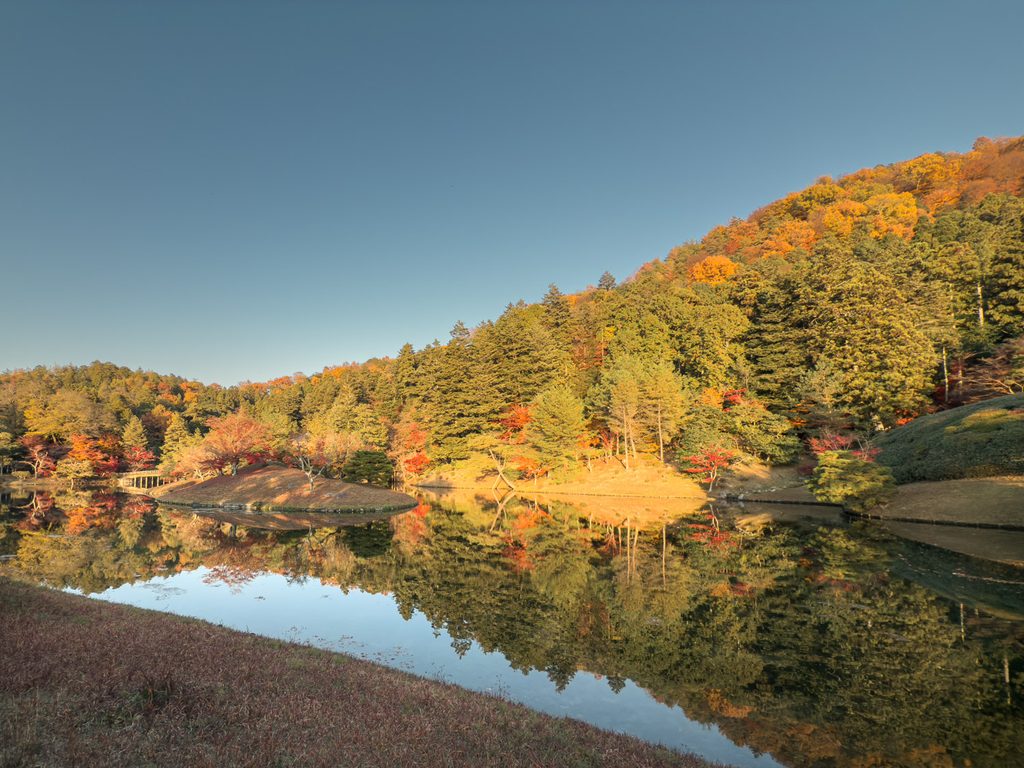
It was still lovely. Red maples hung over the water, and the late light lay warm on the islands. Each step on the gravel paths gave a little and answered with a soft grind, and I liked that more than I can reasonably explain. But I had come for the peak, and I could tell I had missed it by days. Two gardens, one bet. I went one for two, which in baseball is a decent afternoon and in leaf-peeping is a reason to book again.
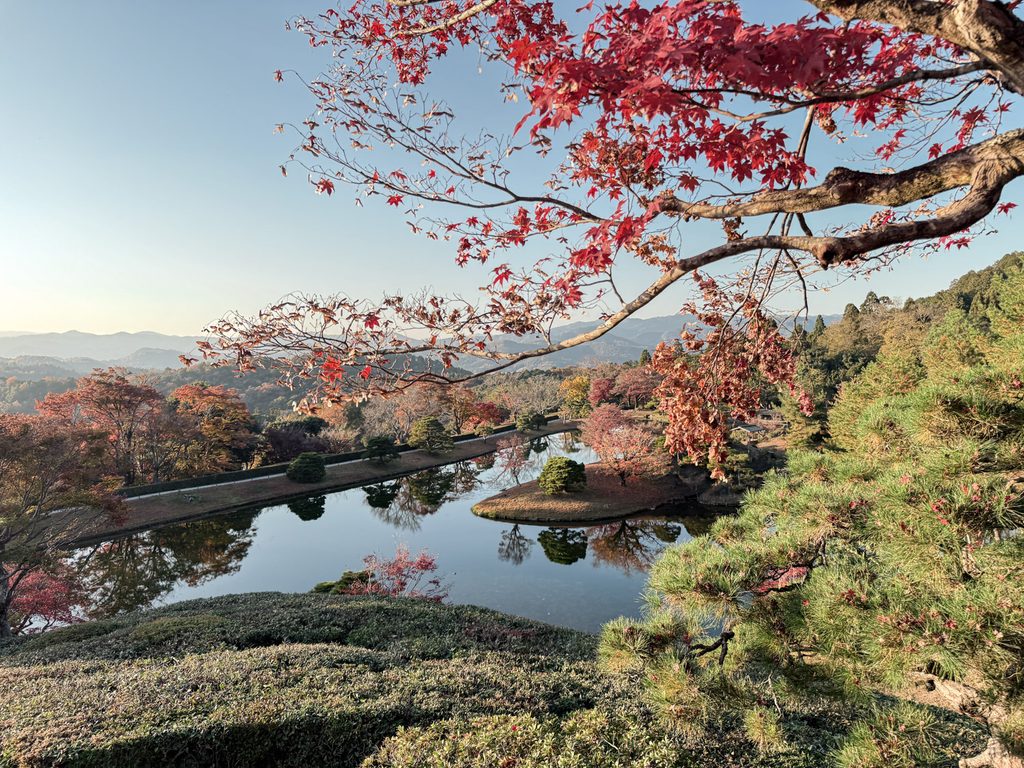
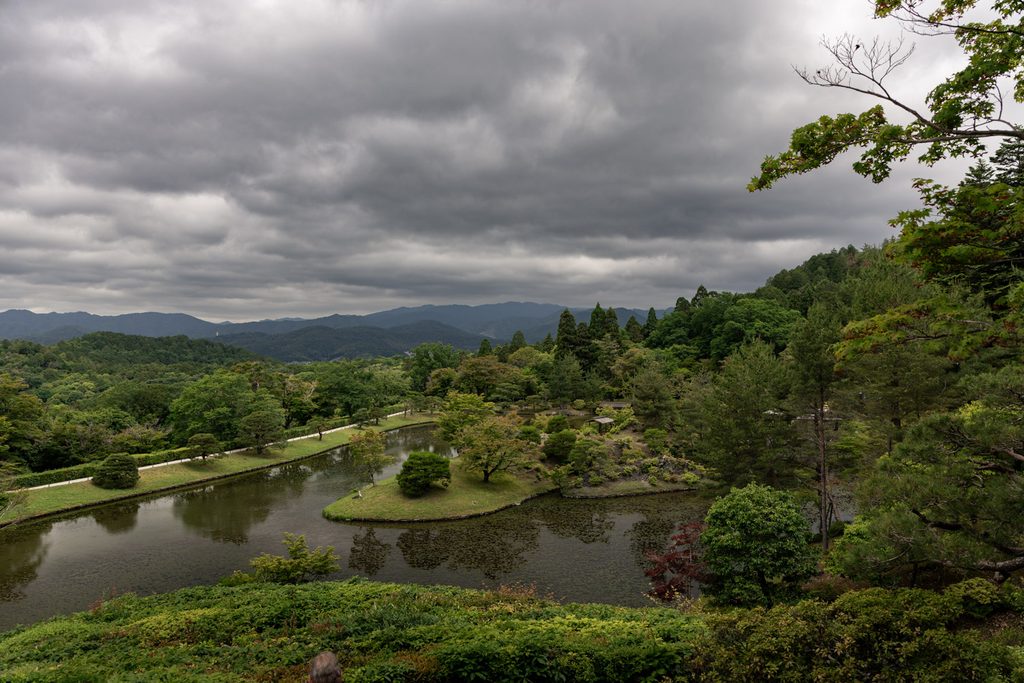
Rin’un-tei, a small open teahouse, sits at the highest point of the Upper Villa. From its edge you look straight down on Yokuryu-chi pond and its islands, then past them to ridge after ridge of hills that were never part of the property but read as if they were. This is the borrowed scenery from those textbook pages, seen from the spot it was built for.
The Officer at the Back of the Line
At the head of every tour walks a guide from the Imperial Household Agency, and at the very back walks an officer of the Imperial Guard. I’ve seen the same arrangement at Sento Imperial Palace and Katsura Imperial Villa. At Sento, the officer behind us never said a word.
At Shugakuin, the officer at the back of my group spoke first. She asked whether I was a professional photographer. I am not. I was, however, carrying enough camera to make the question fair.
So we talked, at the tail end of the group where the guide’s voice didn’t quite reach. I asked about the villa, about the animals that come down from the hill, and about when the leaves are truly at their best. After a year here, she said, you feel every change of season. And the peak of the autumn color? About a week, she thought.
One week. Booked three months in advance. My track record suddenly looked less like bad luck and more like arithmetic.
Frogs, Fresh Green, and a Ring
On May 23, 2026, I came back for the green. The Japanese call it shinryoku, the fresh green season, when Kyoto’s maples come back into leaf. The paddies along the paths had been flooded for planting, and the frogs in them were in full voice. The new maple leaves were bright green with red at their tips, as if someone had sketched in the autumn early. By the climb to the Upper Villa, the air had turned close and damp, and I was starting to sweat and wishing I had brought more water.
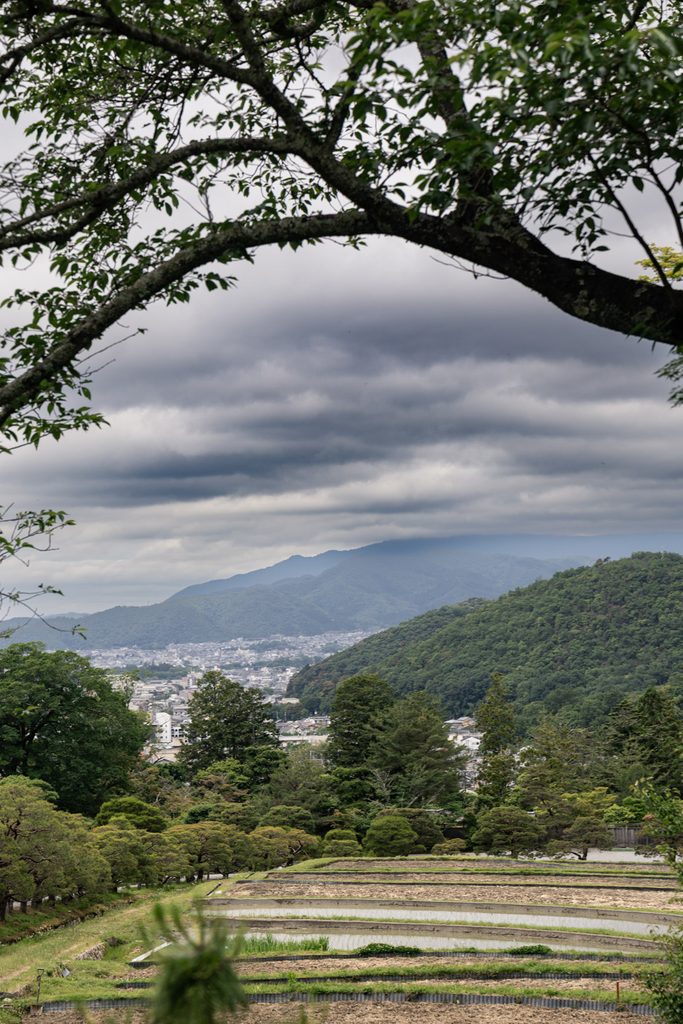
The paths between the villas run past farmland rather than walls, so the frogs and the city skyline arrive in the same glance. At the Middle Villa, the guide pointed out a railing on the veranda of the Kyakuden, the guest hall, patterned after fishing nets hung out to dry. A fisherman’s image, worked into an imperial building.
I’ll admit I had a second reason for coming back. I wondered whether the officer would be there.
She was. She remembered me, and mentioned that after my autumn visit she had looked me up on social media. I took that as a promising start, and asked whether I could write about her.
“You can,” she said, “if you write that I’m beautiful.”
So, for the record: she is. Then I noticed the ring on her left hand. The conversation found its natural length after that, and its natural length was short.
The Season Nobody Fights For
Autumn, the guide told us, is when the applications pour in. The guide’s own favorite season, it turned out, is winter. And for the people who actually tend this garden, the recommendation is more specific still: the first tour of a winter morning, after a frost.
“The garden shines then,” the guide said. “When you can see its shape clearly, that’s when it’s most beautiful.”
On those mornings, the guide added, you nearly have the place to yourself. That was the sentence that decided it for me. I only wish I had heard it in autumn, with winter one booking away, instead of in May, with half a year to wait.
I had chased the red three times and never caught it. The season worth chasing was the one I had already walked through once, in early winter, wishing it were something else. Next time I’m booking the 9:00 a.m. tour on a cold morning and hoping for frost.
How to Visit Shugakuin Imperial Villa
Admission is free, but every visit is a guided tour, and every tour requires an advance reservation or a same-day ticket. The details below come from the Imperial Household Agency’s official guidelines and my own three visits. Rules can change, so check the official visit page for Shugakuin Imperial Villa before you go.
| Admission | Free |
| Format | Guided tour only, about 80 minutes; no building interiors |
| Tour times | 9:00 a.m., 10:00 a.m., 11:00 a.m., 1:30 p.m., 3:00 p.m. (mainly 9:00, 10:00, and 3:00 in July and August) |
| Language | Japanese; free audio guides with earphones in English, Chinese, French, Korean, and Spanish (limited number) |
| Capacity | 50 people per tour, 250 per day; up to 50 same-day tickets per day (about 10 per tour), plus any unused advance spots |
| Age | 18 and older only (no children or infants) |
| ID | Required for every visitor (passport for overseas travelers) |
| Route | About 3 km (1.9 miles), with steep slopes, large steps, and stone bridges without handrails |
| Restrooms | None along the route; go before the tour starts |
| Luggage | Free lockers large enough for a suitcase |
| Closed | Mondays (the following day if Monday is a holiday), December 28 to January 4, and days with official events |
Shugakuin Imperial Villa Reservation: How to Book Online
Online applications open at 5:00 a.m. Japan time on the first day of the month, three months before the month you want to visit, and close at 11:59 p.m. three days before your tour. For a November 10 visit, for example, you can apply from August 1 through November 7. If more people apply for a tour than there are spots, the agency holds a lottery and emails the results within three business days.
One main applicant can add up to three companions, and you’ll need each person’s name, age, and nationality. Applications made by proxy or through travel agencies aren’t accepted, so this is one booking you have to make yourself. Apply through the Imperial Household Agency’s online reservation page, which also handles tours of the Kyoto Imperial Palace, Sento Imperial Palace, and Katsura Imperial Villa.
Same-Day Tickets
Starting at 8:40 a.m., staff at the villa entrance hand out numbered tickets for specific tour times, first come, first served, until they run out. Up to 50 are available each day, about 10 per tour, plus any advance spots that go unused. Each person needs ID. On an autumn weekend, I’d be at the entrance well before reception opens.
On the Tour
Before the tour, a short video plays in the waiting room, in Japanese only, so don’t worry if it washes over you. The tour itself is also in Japanese, but free audio guides with earphones are available in five languages, including English. Because the number is limited, it’s worth arriving a little early.
There are no restrooms along the route, so use one before you set out. The walk covers about three kilometers, climbing from the Lower Villa to Rin’un-tei at the top, over gravel paths, big stone steps, and bridges without handrails. Wear real walking shoes, and from late spring on, bring water; by late May the climb had me sweating. If you’re traveling with luggage, there are free lockers big enough for a suitcase, so you can come straight from the station on a travel day.
When to See the Autumn Leaves at Shugakuin
Kyoto fall foliage in the city center usually peaks from late November into early December. Shugakuin sits against Mount Hiei, and on November 30, 2025, its maples were already fading while Sento Imperial Palace downtown was near its peak. One year proves little about the next, since the timing shifts with the weather. The Imperial Guard officer’s estimate for the peak itself was about a week, and because you book three months ahead, every autumn date is a guess. If I were booking for the leaves again, I’d aim a little earlier than I would for the city gardens.
Late May brings fresh green, flooded paddies, and far smaller crowds. The guides themselves will point you to a frosty winter morning.
Souvenirs: A Commemorative Card and a Goshuin Book
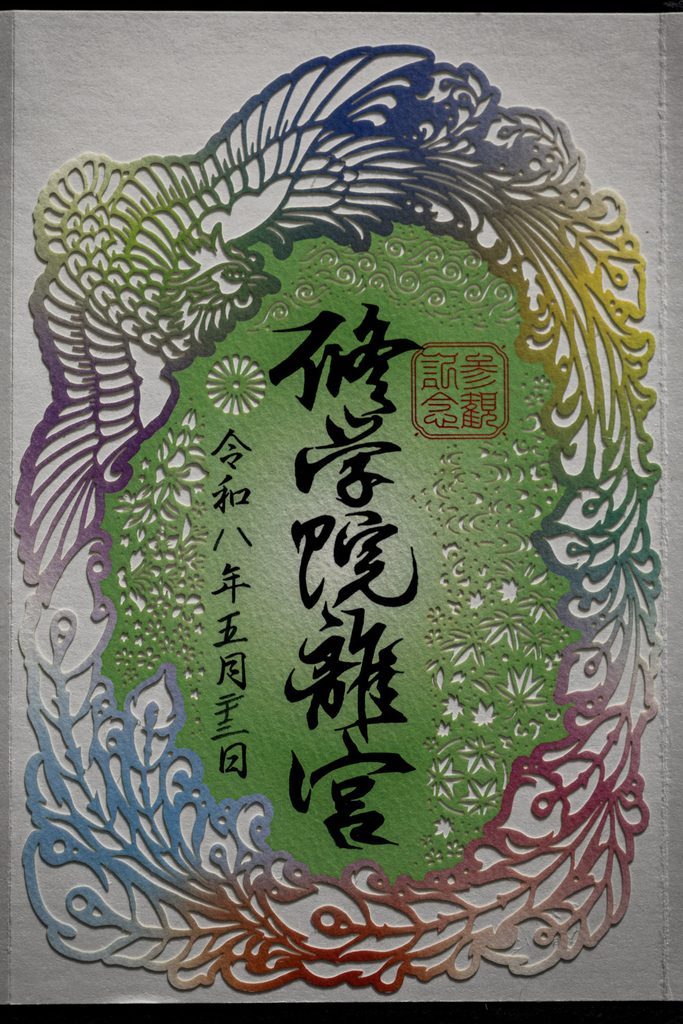
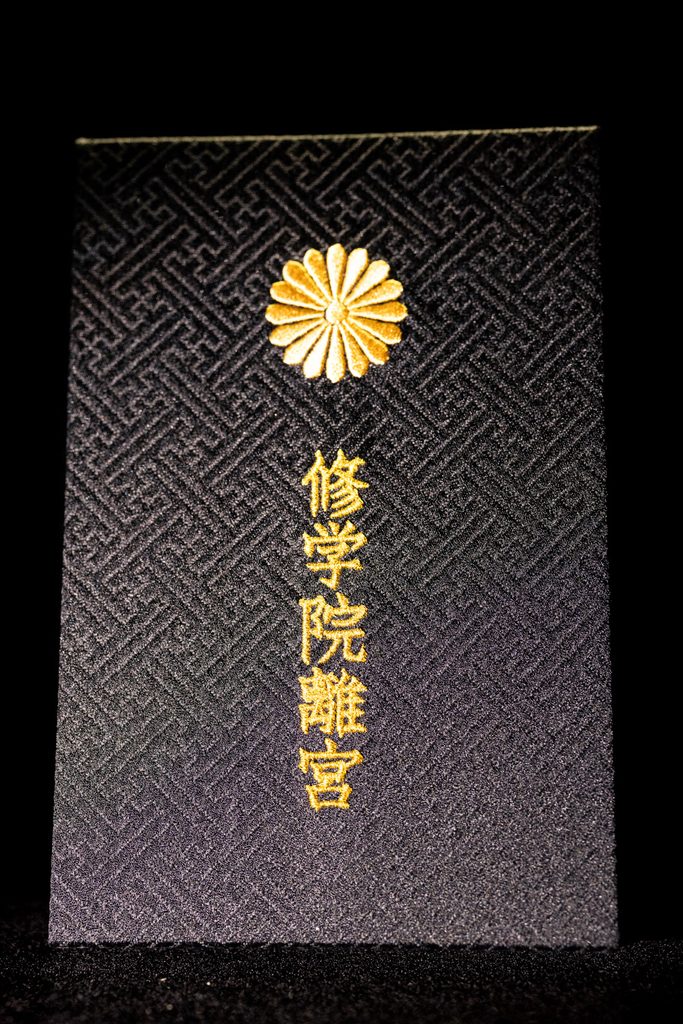
There are no temple stamps here, because this isn’t a temple. What you can take home instead is a commemorative visit card for 1,000 yen, an intricate paper-cut design with a rainbow-colored border, the imperial chrysanthemum, and the villa’s name brushed across the center, along with your visit date. There is also a goshuin book covered in Nishijin weave, Kyoto’s traditional silk brocade, for 4,000 yen. Its black cover carries a gold chrysanthemum crest, and it makes a handsome first book if you plan to collect stamps at Kyoto’s temples and shrines afterward.
Getting There, and What to Pair It With
The villa is about a 20-minute walk from Shugakuin Station on the Eizan Railway, or about 15 minutes on foot from the Shugakuin Rikyu-michi stop on the Kyoto city bus.
Because the tour takes well under half a day, it pairs naturally with somewhere else in northeastern Kyoto. A few stops up the same Eizan line, at Yase-Hieizanguchi, is Rurikoin Temple, famous for maples reflected on a lacquered table. It opens only during special viewing periods and requires advance reservations during peak autumn weeks, so check before you go. For a second imperial garden in the same week, Sento Imperial Palace sits in the center of the city and books through the same system.