Last autumn, a child standing next to me burst into tears.
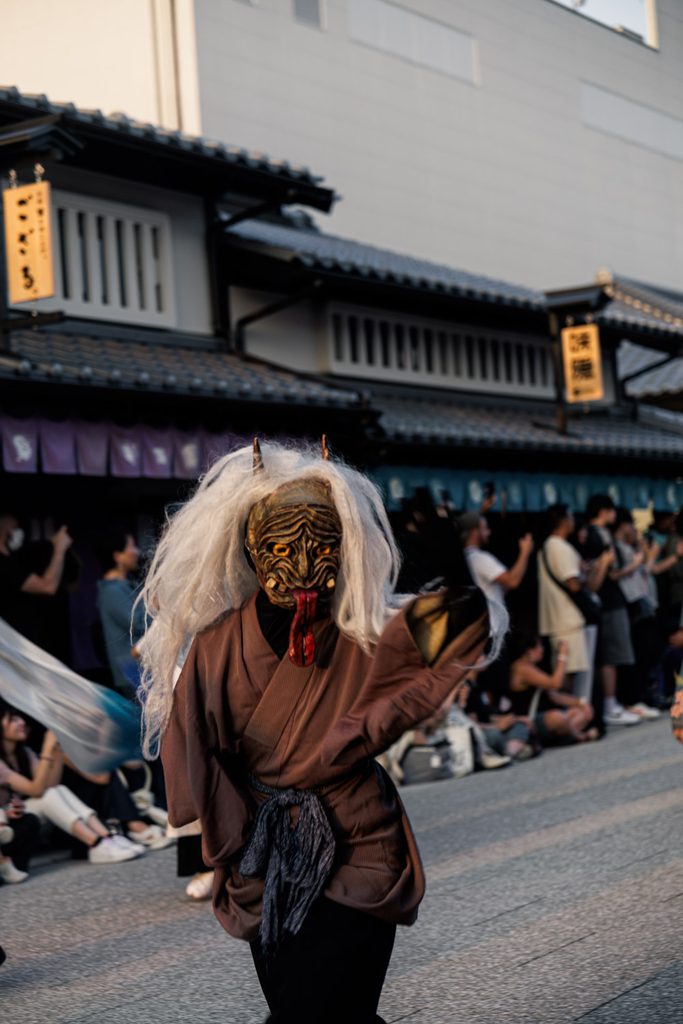
The child was staring at a yokai, entirely convinced it was real. I’d like to believe the tears had nothing to do with me.
This was the Toei Kyoto Studio Park yokai festival, held every autumn at the film park that has stood in Uzumasa, on Kyoto’s west side, since 1975. The park now calls itself Uzumasa Kyoto Village.
The children this year had other ideas. They reached out to touch the yokai, and more of them were chasing the monsters than crying at them.
For years, one question had nagged at me. Why yokai, and why Kyoto? A festival that recreates the rituals of the imperial court would make sense. Processions in Heian-era robes are something this city has always done well. Monsters seemed an odd fit.
Why I Keep Buying a Season Pass
This was my third year in a row at the festival on opening day, and my third season pass, which cost ¥5,500 this time. You might take me for a devoted Toei fan.
Devotion has nothing to do with it. A one-day ticket costs ¥2,800. Two visits, and the pass has paid for itself.
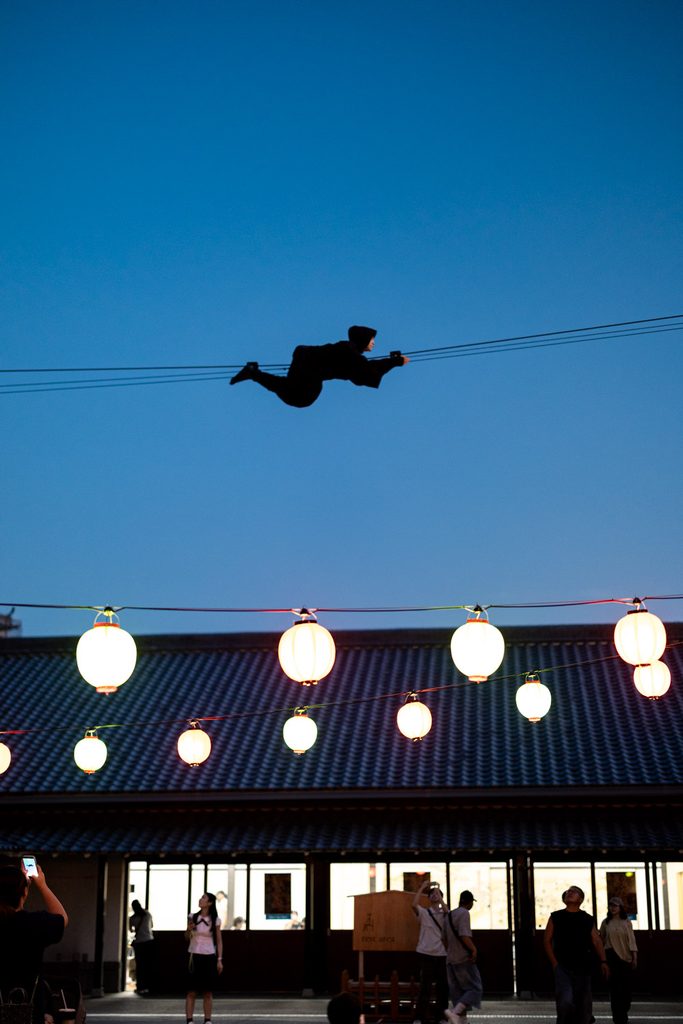
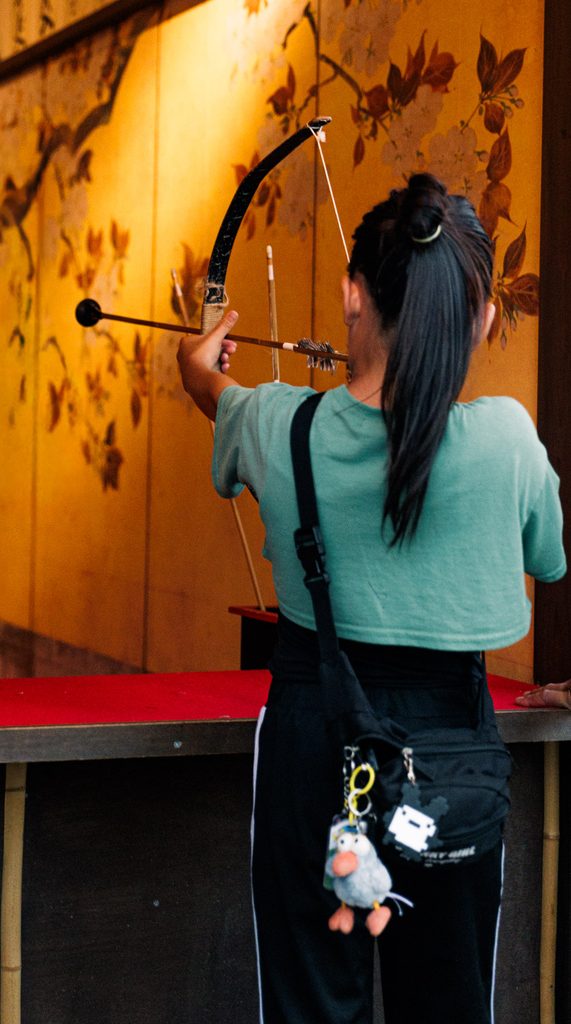
Coming back each autumn, I’ve watched the place change. In March 2026 it dropped the Toei Kyoto Studio Park name and rebuilt itself with adults in mind. The streets have been redone, the yokai parade has a new show and a new schedule, and the shops aren’t the ones I remember, though the crowds kept me out of the restaurants this time. There’s now a shooting gallery where you draw a real bow. And on opening day, a ninja was crossing a wire high above the lanterns while people below held up their phones.
5:30 p.m.: A Procession of Demons at Dusk
On weekends and holidays, the first parade sets off at 5:30 p.m. By then the sun had lost most of its strength, and that thin, low light was the first thing that told me autumn had arrived. After a rainy stretch, the skies had cleared, and I was grateful for it.
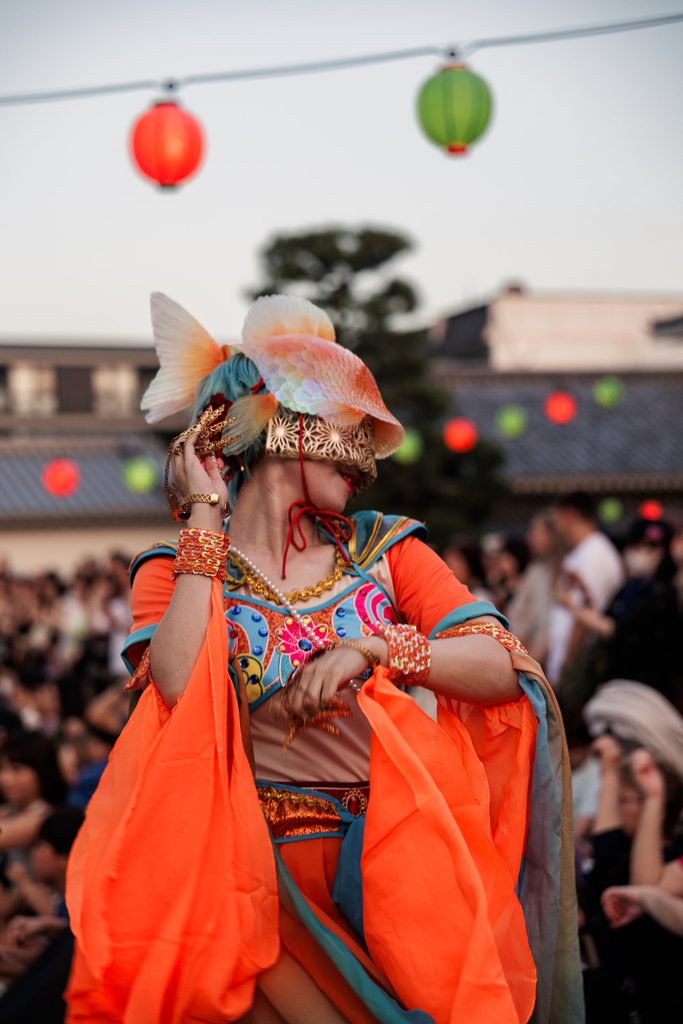
The parade is called the Kaikai Yokai Parade, subtitled Hyakki no Utage, or Feast of a Hundred Demons, and it winds along Karasu-dori to Otemon Plaza. I watched from the side of the street first. The yokai hadn’t even appeared yet, and I was already hooked: performers I’d never seen, dances I didn’t know, and music that kept building until standing still wasn’t an option. Then I walked over to the stage.
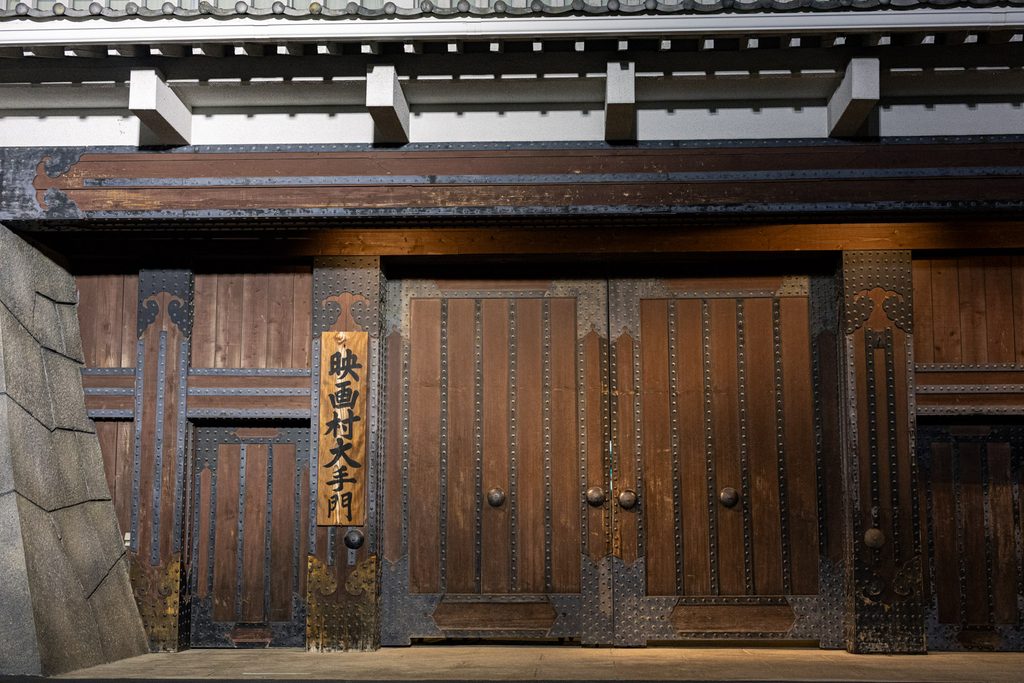
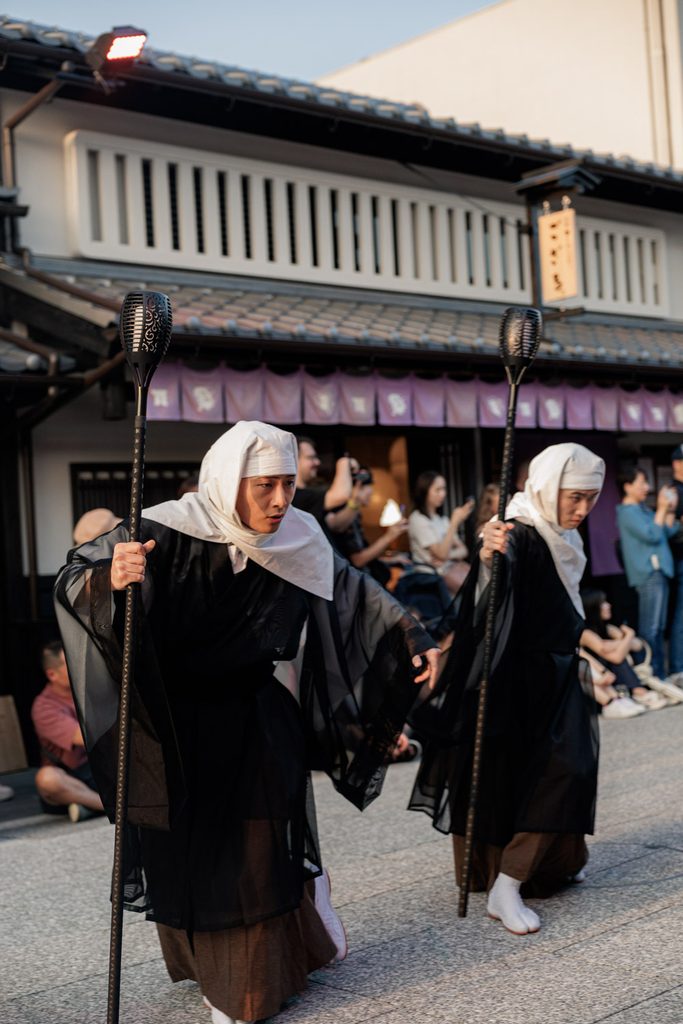
The park has written a backstory for all this. The reels of Uzumasa Hyakki Yagyo, a yokai period drama shelved long ago, turn up in a storehouse on the lot. When the film is screened, the yokai sealed inside it for decades break loose, leap off the screen, and set out on their night procession through the village.
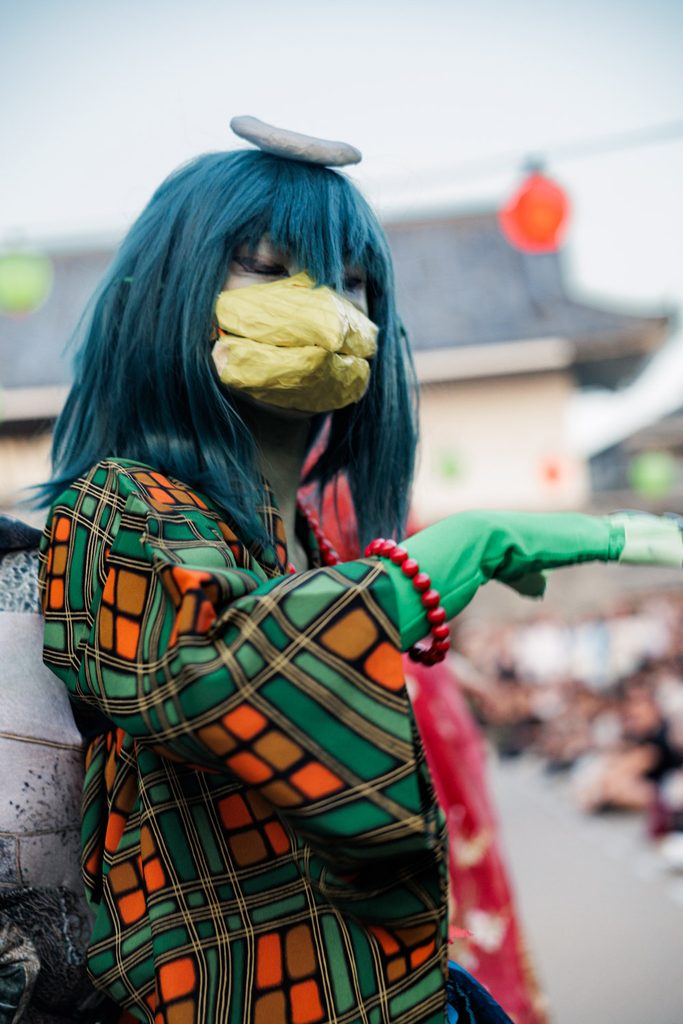
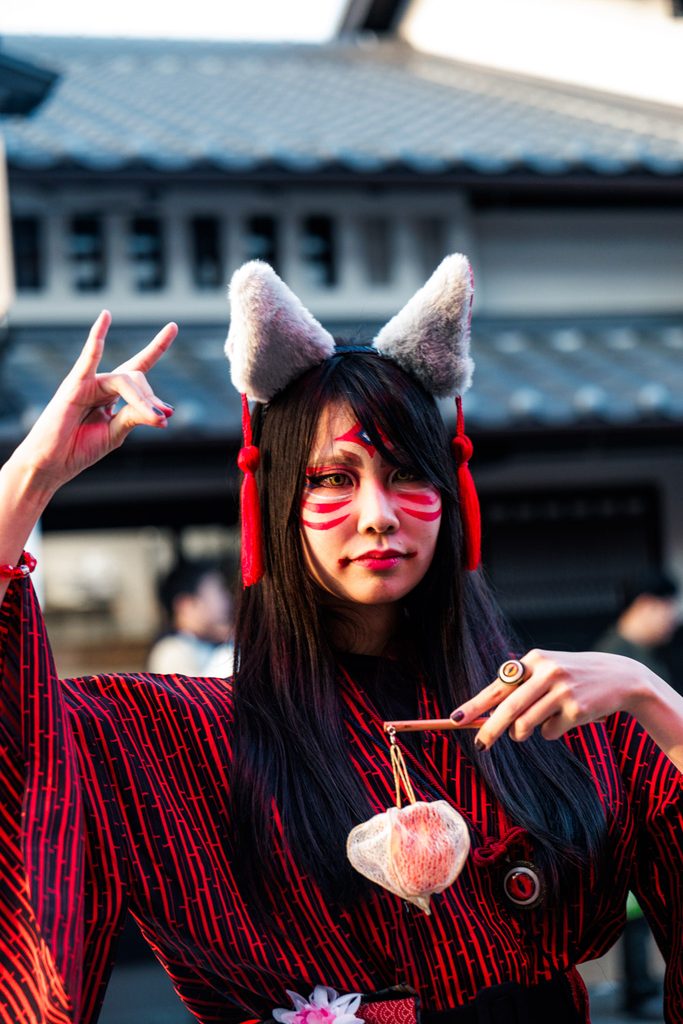
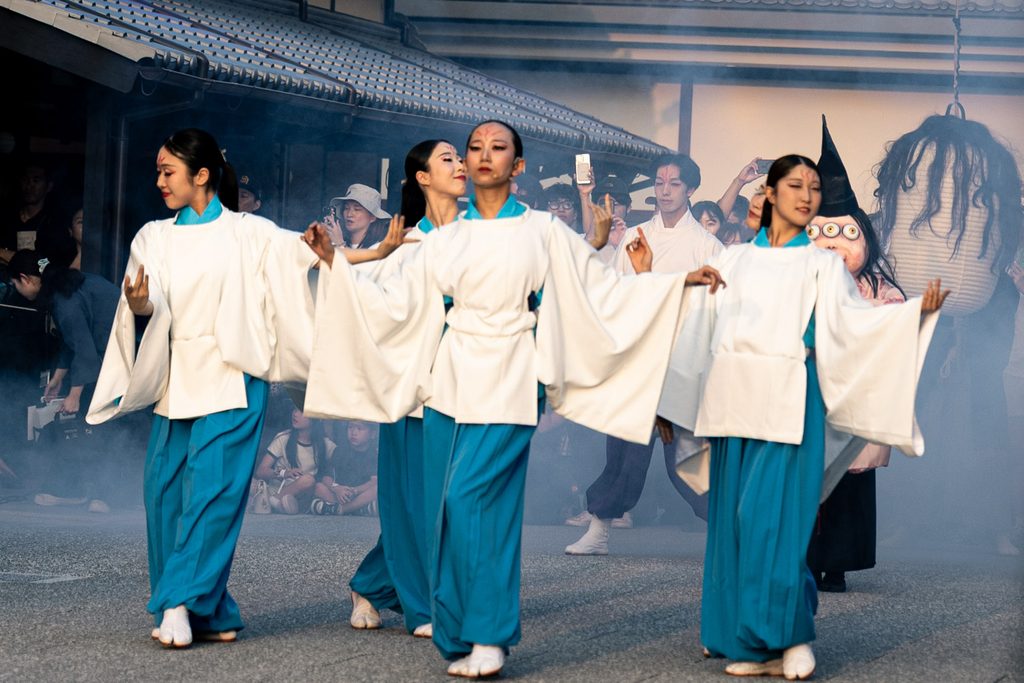
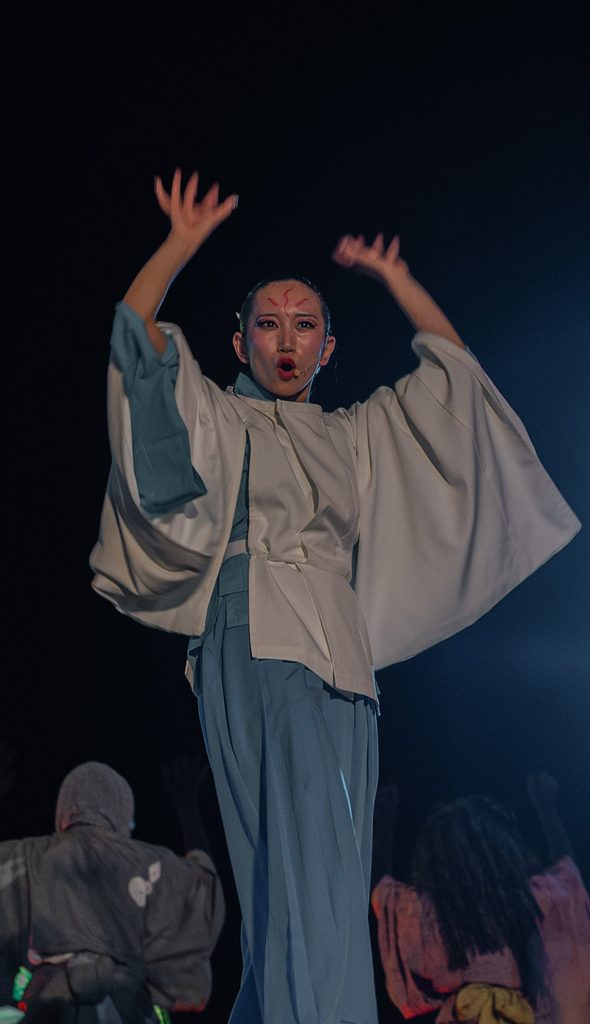
When the procession reaches the stage, the show begins. The choreography is remarkably precise, and another Toei actor told me the performers on stage had passed Toei auditions.
Every word on stage is in Japanese. You won’t need it. Between the dancing and the sword fights, the story carries itself.
The Yokai I Didn’t Meet
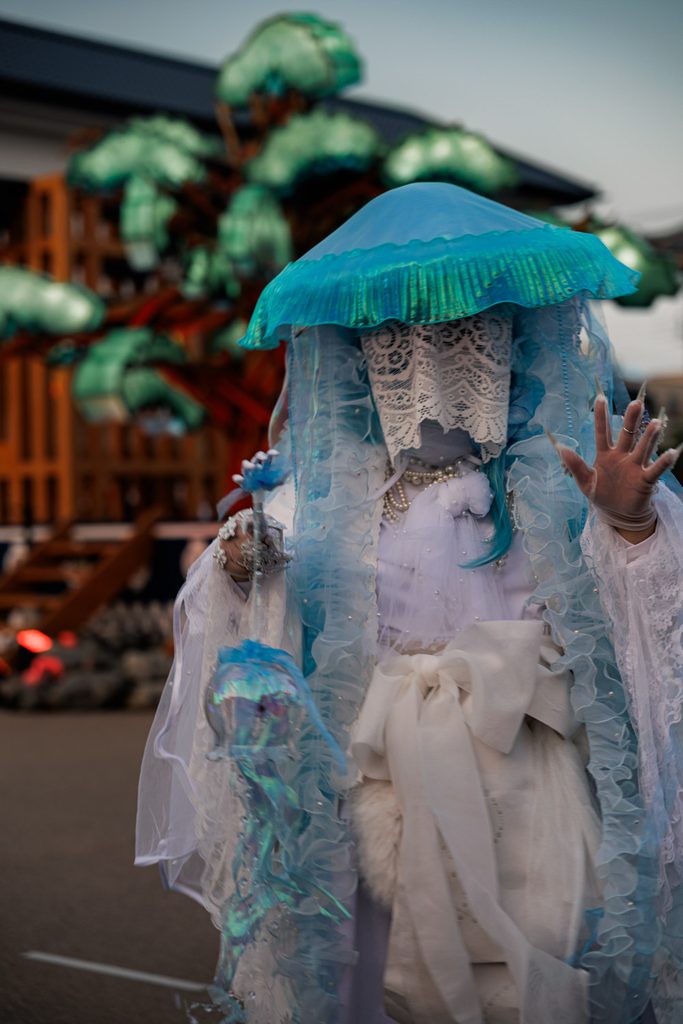
She wasn’t there this year.
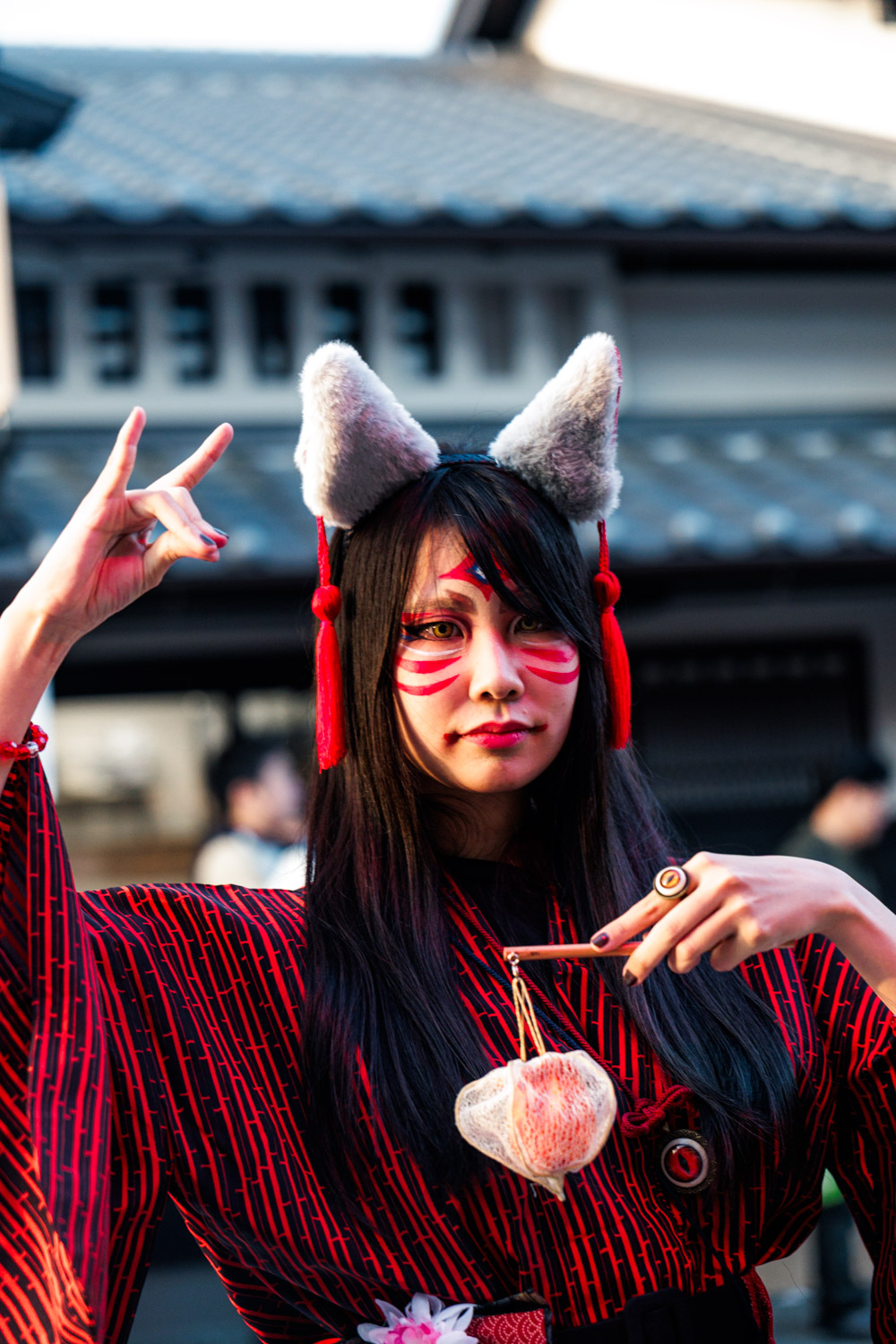
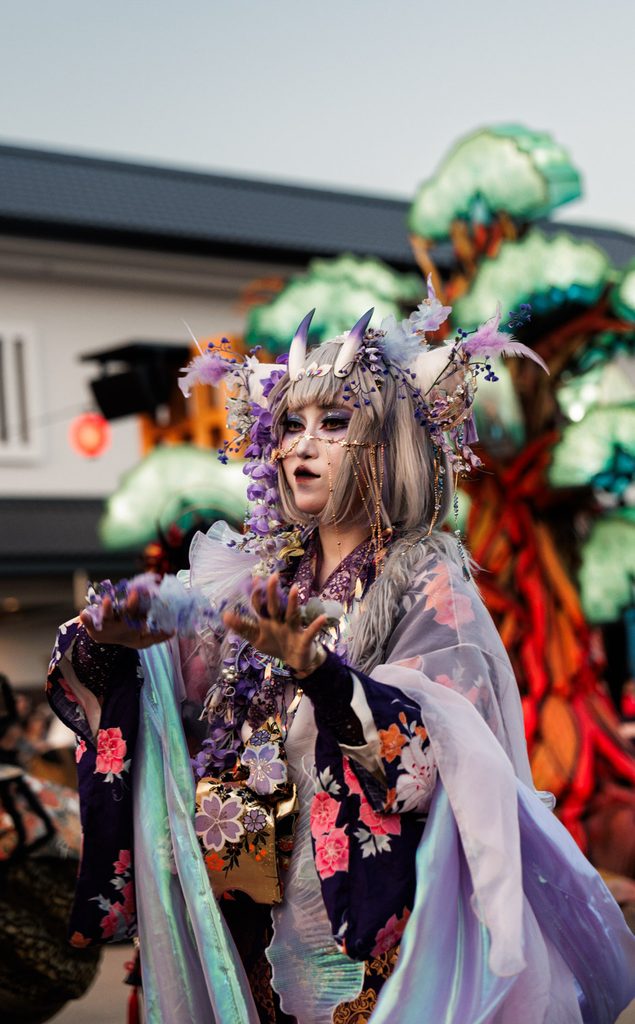
Two years ago, and again last year, I’d come across a yokai who was beautiful in a way that made me slightly nervous. This time she never appeared. Kyoto has an old story about exactly this kind of encounter. One night on Ichijo Modoribashi, a bridge in the old capital, the warrior Watanabe no Tsuna met a beautiful young woman who turned out to be an oni, and he got away only by cutting off her arm.
Tsuna, at least, had a famous sword. In most of these tales, the man who falls for the woman doesn’t live long enough to regret it. I’m still here, so perhaps missing her was for the best.
A Gambling Den That Turns Children Away
The gambling den is new this year, and the game is chohan bakuchi. In a room built to look like an Edo-period gambling hall, actors play out the scene around you while you bet wooden tokens on whether the total of two dice will be even or odd. What you’re really staking, the park says, is a wish, not money. It costs nothing to play.
A staff member told me you don’t need Japanese, because the actors speak English. You do need to be 18 or older, and you need luck, since spots are handed out by lottery.
It’s an odd room to find in a park most people still think of as a family outing, and it makes clear that the new Uzumasa Kyoto Village is after adults with an evening to spend.
I lost the lottery. My first gamble of the night was over before I reached the table.
7:30 p.m.: A Procession Just for Watching
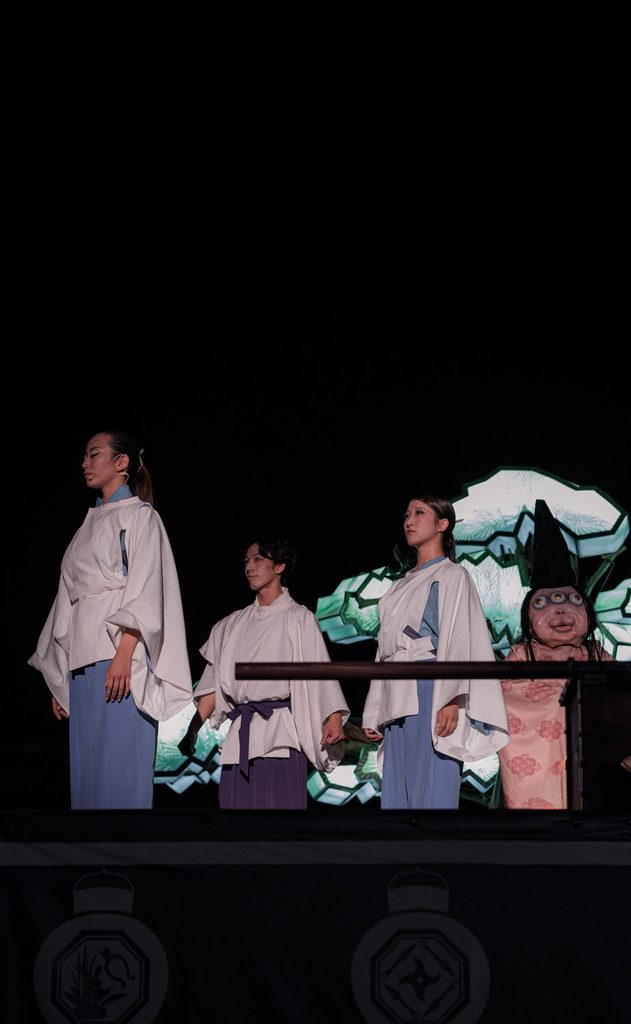
By 7:30 p.m. it was dark, and the second parade, Uzumasa Hyakki Yagyo, set off along the same route. Nobody joins this one. The stage show is the same, and it ends with the audience joining the yokai in the hyakki yagyo dance.
This time I went to the front of the stage, where the front rows sit on the ground. Once the procession ended, the yokai slipped around to the back of the stage, and from the front I couldn’t see a single one.
Why Kyoto: A Bridge on Ichijo Street
In the Heian period (794 to 1185), people in Kyoto believed that on certain nights, demons and spirits paraded through the streets of the capital. They called it hyakki yagyo, the night parade of a hundred demons.
It may sound absurd that people truly believed this. Had I been born in Heian Kyoto, I’m sure I’d have believed it too.
The legends gathered in particular places, and Ichijo Modoribashi, the bridge where Tsuna met his oni, is the most famous of them. Its name means the Returning Bridge. According to a story set in 918, the funeral procession of the scholar Miyoshi Kiyoyuki was crossing it when his son Jozo, a monk, arrived and prayed over the coffin, and his father briefly came back to life.
Abe no Seimei, the court astrologer and diviner, is linked to the bridge too. His home is said to have stood nearby, on the site of today’s Seimei Shrine, and he supposedly kept his spirit servants hidden underneath it.
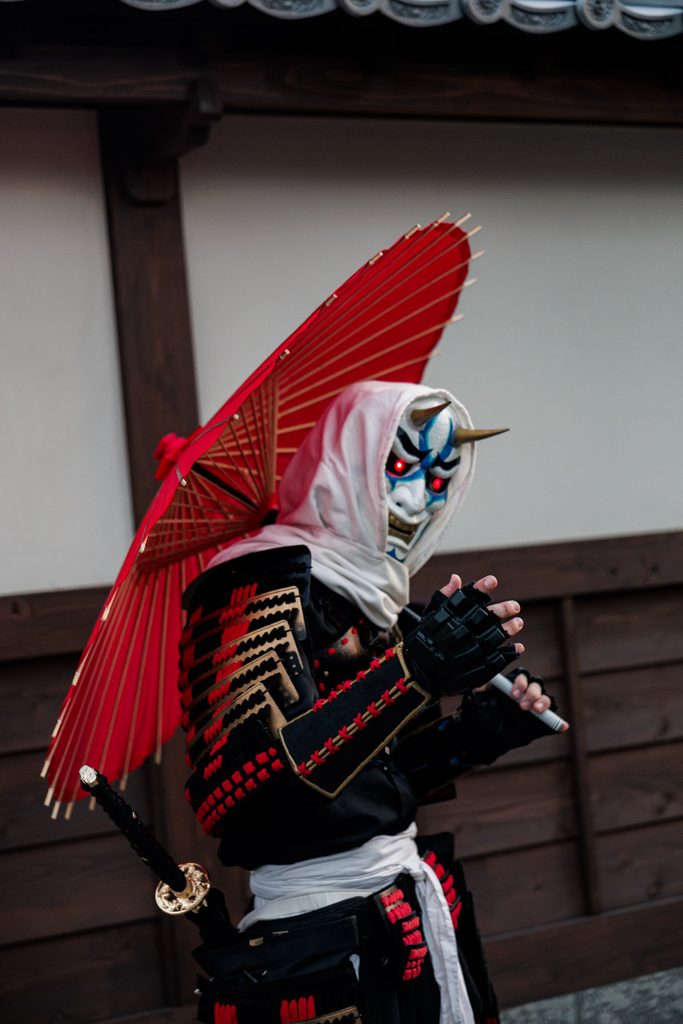
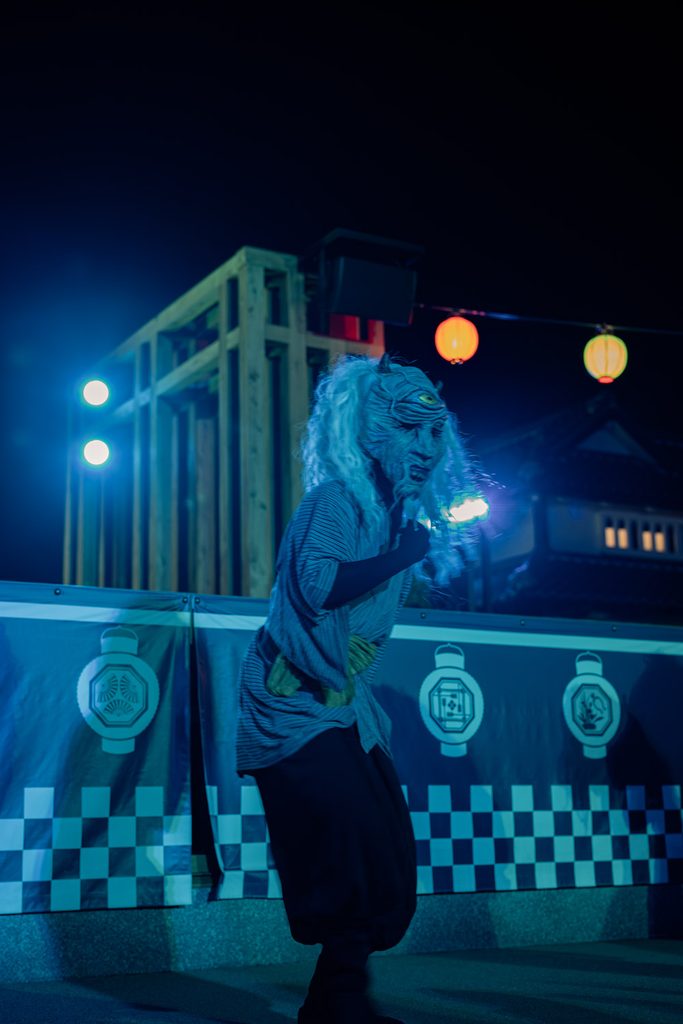
Today, people dress up as those demons and spirits and walk out into the streets themselves. The park defines yokai as strange beings people once believed were real, rooted in classical imagery. Even so, a few in this year’s procession had drifted well away from anything traditionally Japanese, and the costumes change a little more each year.
This summer, the park also rebuilt its haunted house around the legends of Ichijo Modoribashi, a bridge you can still walk across today.
This festival is sometimes called Kyoto’s Halloween. It was never borrowed from anywhere else.
So why yokai, and why Kyoto? Because they’ve been part of the city’s DNA for more than a thousand years, and they’re still evolving.
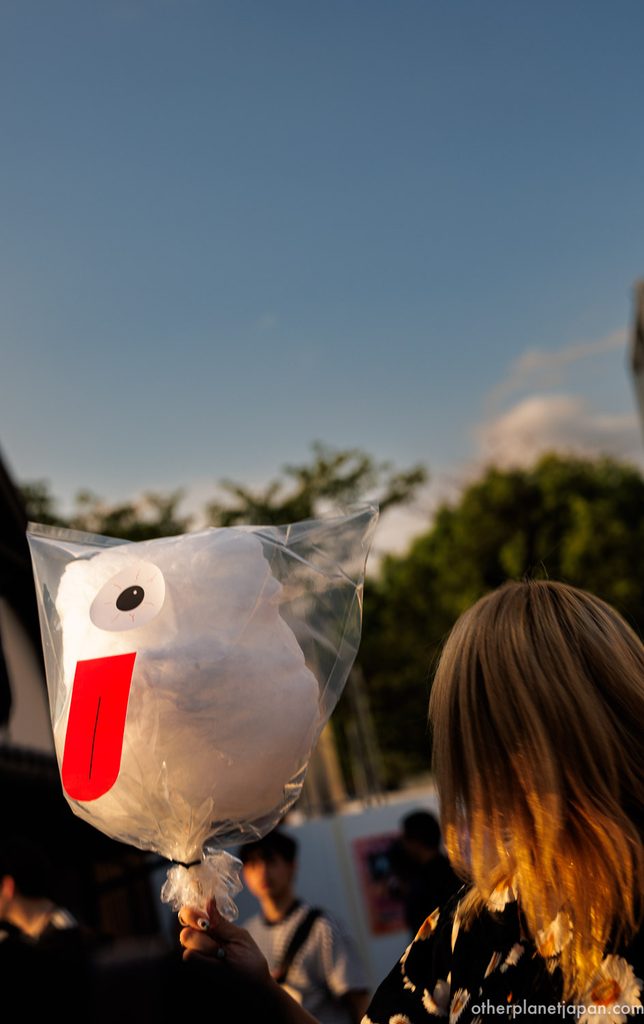
If you go, I’d pick a weekend, buy your ticket online, and get there before 5:30 p.m. Everything else you need is below.
Toei Kyoto Studio Park Yokai Festival 2026: Practical Information
Prices and times below are for 2026 and may change.
Dates and Program
| Item | Details |
|---|---|
| Festival name | Kaikai Yokai Festival, also billed in English as the Kyoto Yokai Festival |
| Dates | September 12 (Sat) to November 29 (Sun), 2026 |
| Venue | Uzumasa Kyoto Village (formerly Toei Kyoto Studio Park) |
| Closed | Tuesdays, including during the festival (open on September 22, a national holiday, and on all Tuesdays in November) |
| Yokai Greeting | Every day the park is open, throughout the village. Weekdays: 4:30, 5:30, 6:30, 7:30 p.m. Weekends and holidays: 11:45 a.m., 1:00, 2:00 p.m. |
| Yokai Dance Live | Weekends and holidays at Otemon Plaza: 10:30 a.m., 1:30, 3:30 p.m. |
| Kaikai Yokai Parade: Hyakki no Utage | Weekends and holidays at 5:30 p.m., Karasu-dori to Otemon Plaza (visitors can join with advance registration) |
| Uzumasa Hyakki Yagyo | Weekends and holidays at 7:30 p.m., same route (viewing only) |
Both parades run only on weekends and holidays, so a weekday visit centers on the Yokai Greeting, where costumed yokai roam the village and pose for photos. Programs may change or be canceled because of weather. For the latest schedule, see the official Kyoto Yokai Festival page.
Where to Watch the Parades
For the 5:30 p.m. parade, watch the procession from the street, then move to the stage in time for the show. The front rows at the stage are seated on the ground. After the procession, the yokai move behind the stage, so stand on that side if you want to see them up close. During the parades, keep cameras below head height, and don’t use flash.
Tickets for Uzumasa Kyoto Village
| Ticket | Adults (junior high school and older) |
|---|---|
| 1-Day (10:00 a.m. to 9:00 p.m.) | ¥2,800 |
| Night (5:00 p.m. to 9:00 p.m.) | ¥2,000 |
| Season Pass | ¥5,500 (the price I paid in 2026) |
The 1-Day and Night prices apply until the park’s second-phase reopening in spring 2027, and prices may vary by date. If the parades are all you want, the Night ticket covers both. The line at the ticket booth gets long, so buy online in advance. When I did, I walked straight in.
Chohan Bakuchi (18+)
| Item | Details |
|---|---|
| Location | Buke Yashiki (Samurai Residence), Ni-no-ma room |
| Times | Weekdays: 4:25, 5:10, 6:35, 7:20, 8:05 p.m. Weekends and holidays from September 12: 4:30, 6:30, 8:15 p.m. |
| Duration | About 25 minutes |
| Price | Free |
| How to join | Lottery. Pick up a lottery ticket to the right of the information desk, and if your number is drawn, collect your entry ticket at the desk. |
| Group size | Up to five people per entry ticket |
Lottery ticket distribution times vary by session, so check them at the information desk on the day. Guests under 18 can’t take part. For safety reasons, the room is also closed to guests who feel unwell (including anyone intoxicated), pregnant guests, wheelchair users, and guests with guide dogs. From September 12, the Samurai Residence building is closed to entry on weekends and holidays from 5:00 to 6:00 p.m. and from 7:00 to 8:00 p.m.
Ichijo Modoribashi Haunted House
| Item | Details |
|---|---|
| Location | Attraction Plaza |
| Price | ¥800 (covered by the Attraction Pass) |
| Last entry | 5:30 p.m. (8:30 p.m. from September 19 to 22). Entry may close earlier when busy. |
| Courses | Three fear levels, from a beginner and family course to the most intense |
Because last entry is 5:30 p.m. on most days, visit before the dusk parade. The haunted house isn’t open to children under 3, preschoolers without a companion aged 16 or older, guests who feel unwell or have been drinking, pregnant guests, or anyone who doesn’t follow staff instructions. Period costumes and cosplay aren’t allowed inside, except children’s ninja costumes.
Getting There
| Route | Time to the park |
|---|---|
| Randen (Keifuku Arashiyama Line), Uzumasa Koryuji Station | 5-minute walk |
| JR Hanazono Station | 13-minute walk |
| Subway Uzumasa Tenjingawa Station | 12-minute walk |
| Kyoto City Bus, Uzumasa Eigamura-michi stop | 5-minute walk |
| Kyoto Bus, Uzumasa Koryuji-mae stop | 5-minute walk |
| Kyoto Bus, Uzumasa Eigamura-mae stop | Right outside |
The Studio Gate on the JR Uzumasa Station side closes to entry at 5:00 p.m. and to exit at 6:00 p.m. (from September 19 to 22, entry until 8:00 p.m. and exit until 9:00 p.m.). After the evening parade, plan to leave through a different gate.