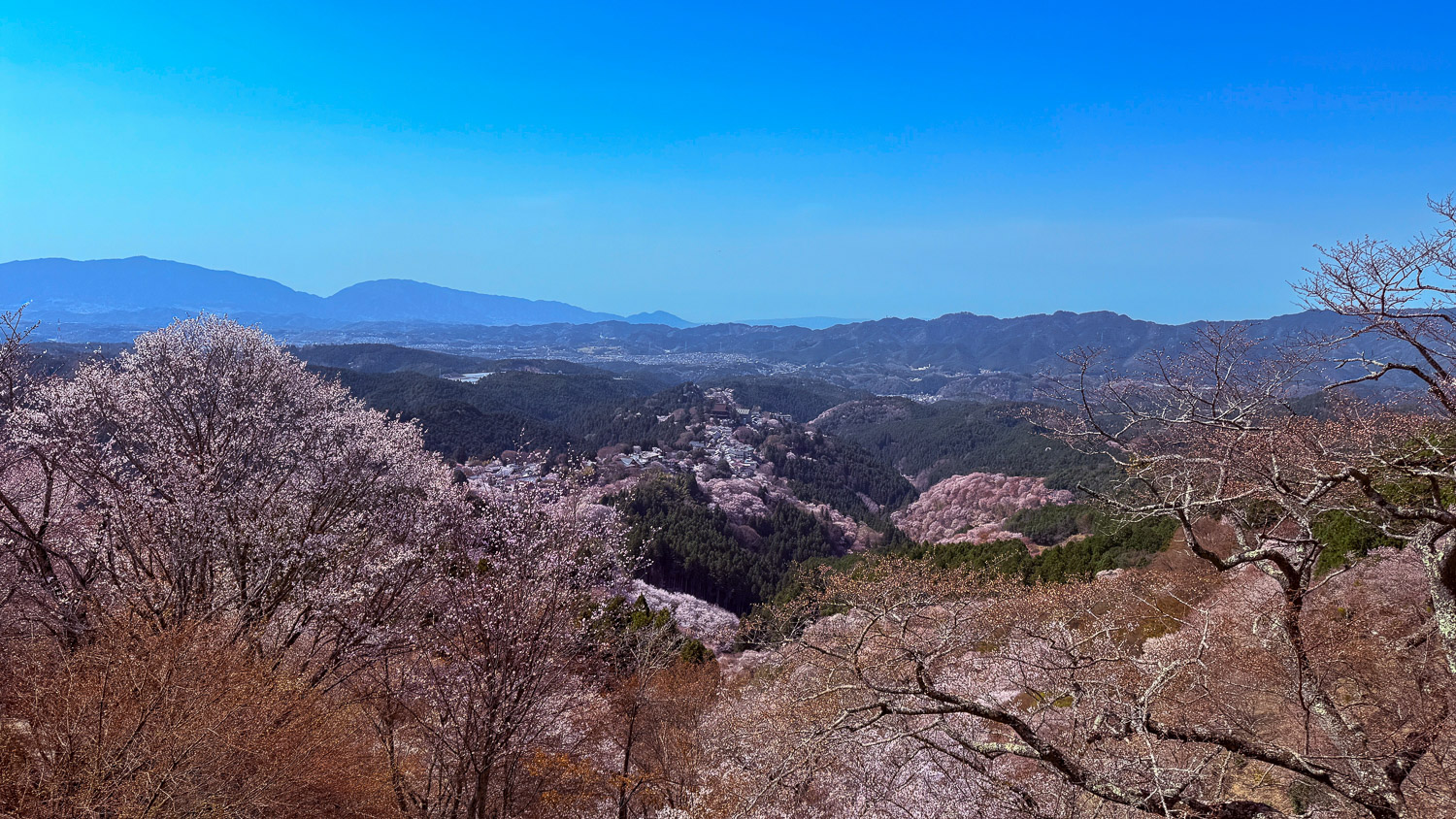
Nara Travel Guide: Japan’s Ancient Capital of Temples, Sacred Deer, and Living Tradition
Nara is not the loudest name on most visitors’ itineraries. That distinction belongs to Tokyo and Kyoto, perhaps Osaka. But Nara — ancient, unhurried, quietly magnificent — holds something none of those cities can offer: 1,300 years of Japanese civilization, still breathing, largely undisturbed.
If Kyoto is a jewel box — precious things gathered and arranged with careful intention — then Nara is what happens when that box is gently upturned. Temples, burial mounds, wooden sanctuaries, and sacred deer scatter across a vast natural landscape with an air of beautiful accident, yet each one exactly where it was always meant to be.
This guide covers everything you need to plan a visit: what to see, what to eat, how to get there, and — most importantly — why Nara deserves more than a rushed afternoon.
Nara at a Glance: Quick Reference
| Category | Details |
|---|---|
| Access from Kyoto | 45 min by Kintetsu Railway (Nara Line, approx. ¥640) |
| Access from Osaka | 40 min by Kintetsu (Namba), or 50 min by JR (covered by JR Pass) |
| Best for first visit | Nara Park Area + Naramachi (half day minimum, full day ideal) |
| Recommended stay | 1–2 nights to experience dawn/dusk and Naramachi evening |
| Peak seasons | Cherry blossom (late Mar–mid Apr), Autumn foliage (mid Nov–early Dec) |
| Budget (per day) | ¥3,000–¥5,000 for attractions + meals (many temples: ¥500–¥800 entry) |
| Best base areas | Near Kintetsu Nara Station or Naramachi for walkability |
Things to Do in Nara: Four Distinct Areas to Explore
Nara is best understood not as a single destination but as five distinct landscapes, each with its own atmosphere. Most visitors see only the first. The full picture is worth the effort.
Nara Park Area: Todai-ji, Kasuga Taisha, and the Sacred Deer
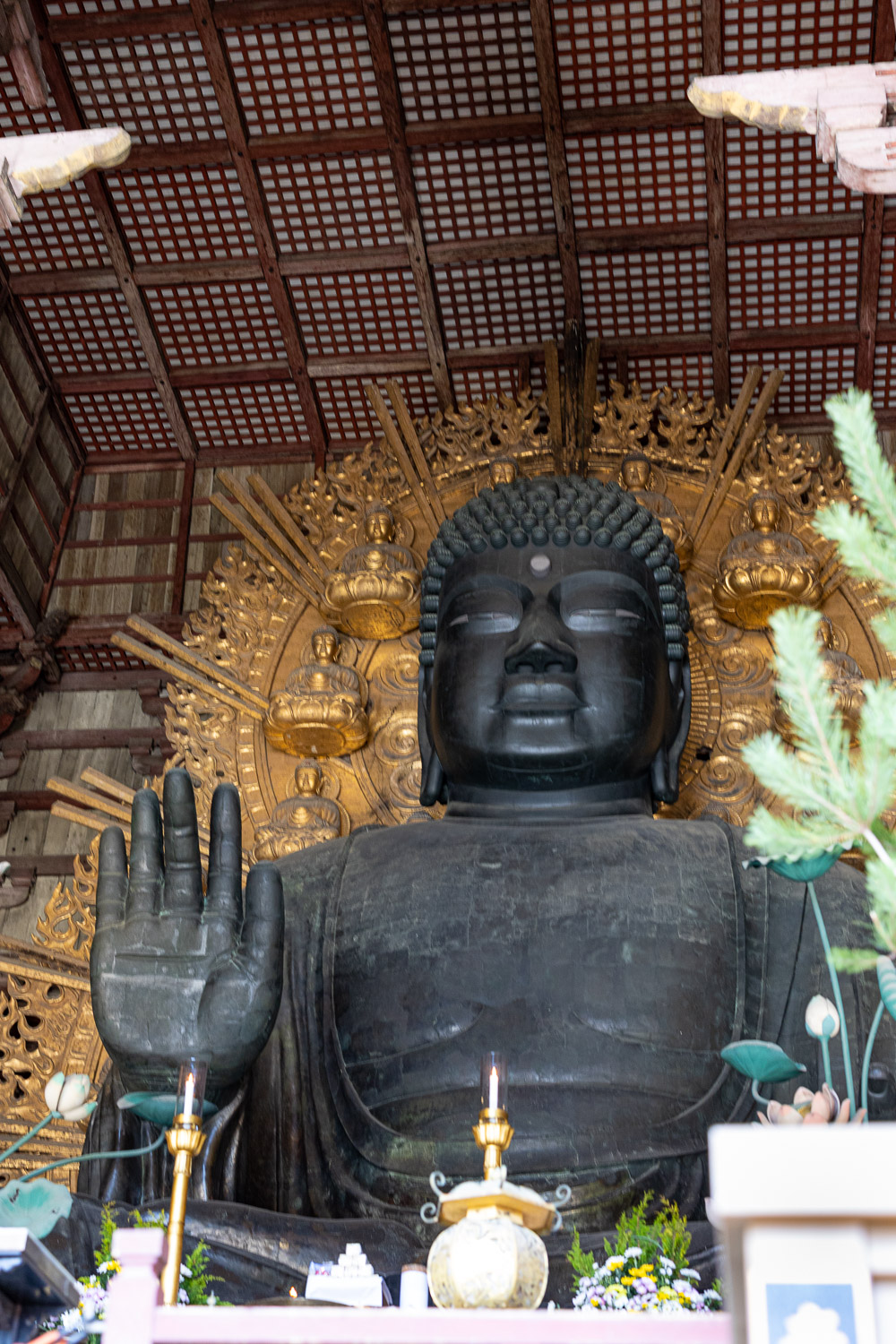
Begin at the heart of the city. Todai-ji Temple houses a Great Buddha of staggering proportions: cast in bronze over 1,200 years ago, seated within the world’s largest wooden structure. It remains one of the most awe-inspiring works of human devotion anywhere on Earth.
Nearby, the lantern-lined path to Kasuga Taisha Shrine — its 3,000 bronze and stone lanterns lit twice yearly in a ceremony unchanged for over a millennium — feels less like sightseeing and more like crossing into another era.
Threading through it all, utterly unbothered, are Nara’s famous deer. More than 1,200 roam freely through the park, regarded in Shinto tradition as divine messengers and designated a national treasure. Watching a deer bow in exchange for a senbei rice cracker — learned, seemingly, through sheer social osmosis — is one of those rare travel moments that defies adequate description.
Naramachi: Traditional Shops, Craft Beer, and Sake Bars
Step south from the park and the city shifts registers. Naramachi, Nara’s preserved merchant district, is a neighborhood of narrow lanes and machiya — wooden townhouses built between the 17th and 19th centuries — that have been given a quietly brilliant second life.
Behind traditional facades: stylish independent cafes, craft beer breweries drawing on local ingredients, boutiques selling handmade textiles and ceramics, and intimate sake bars pouring expressions that never leave the prefecture. Naramachi is not a museum. It is a neighborhood that simply refuses to forget what it was.
Ikaruga and Asuka: Horyu-ji and the Dawn of Japanese Civilization
Travel southwest from Nara and the landscape opens into rice paddies and quiet country roads. Ikaruga is not a neighborhood or a district. It is, for most purposes, one building: Horyu-ji Temple, founded in 607 CE, the oldest surviving wooden structure on Earth. That designation sounds academic until you are standing in front of it. The Five-Story Pagoda has not moved since the seventh century. Neither, it seems, has the air around it.
Asuka: Japan’s First Capital and Its Ancient Mysteries
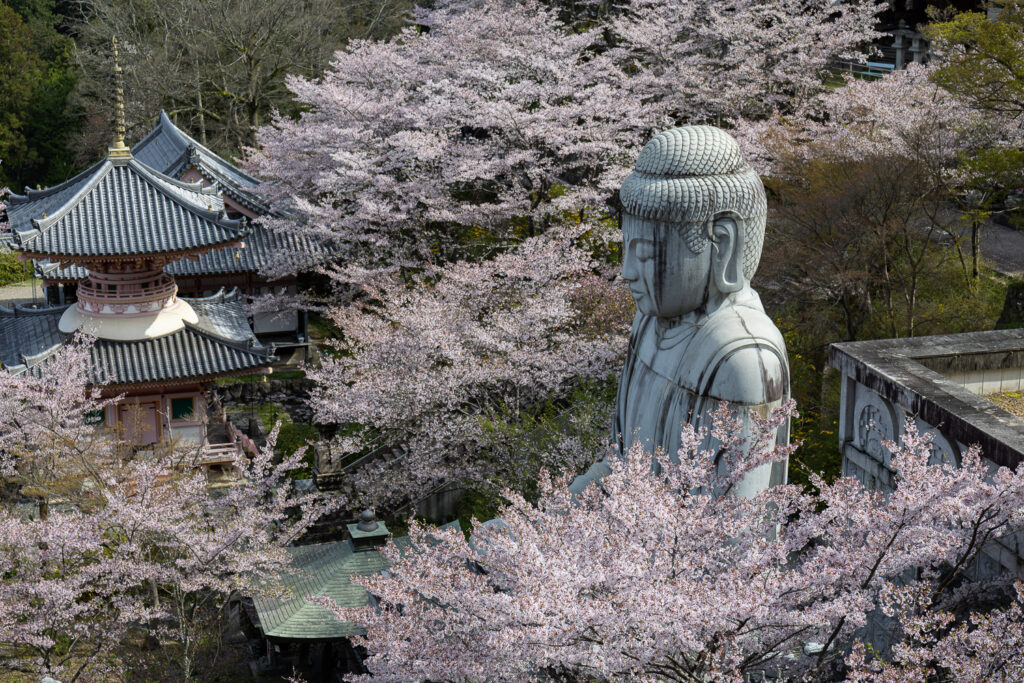
Further south still, past Kashiharajingu-mae Station and into the hills of Takaichi, the ancient capital of Asuka waits with no particular urgency. Stone figures emerge from the undergrowth without explanation. Burial mounds interrupt the fields. At Tsubosaka-dera — perched at 300 meters above sea level, founded in 703, its stone Buddhas shipped piece by piece from India — the sensation is not of visiting a temple but of arriving somewhere that has been quietly accumulating meaning for over a millennium.
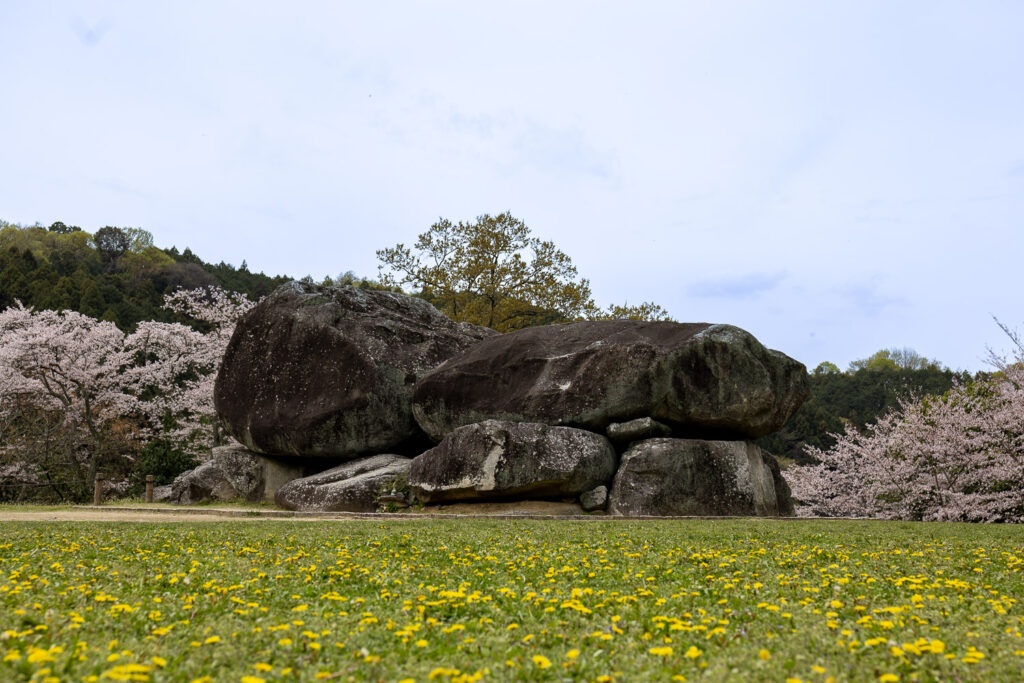
Ishibutai Kofun, Takamatsuzuka Tomb, Asukadera Temple: each one a fragment of the civilization that made Japan. Rent a bicycle at Kashiharajingu-mae Station and follow the roads between them. There is no better way to understand how close together, and how deep, these roots go.
Mount Yoshino: Cherry Blossoms, Autumn Foliage, and Sacred Mountains
South of the city, Mount Yoshino holds one of Japan’s most iconic seasonal spectacles. In spring, its slopes disappear beneath tens of thousands of cherry blossoms — an image that has inspired Japanese art and poetry for over a thousand years. In autumn, the mountain offers a quieter but equally striking transformation in crimson and gold.
Yoshino is also the heartland of Shugendo, Japan’s mountain ascetic tradition. Kinpusen-ji Temple, its main hall towering above the ridgeline, houses sacred images so rarely displayed that each viewing draws pilgrims from across the country.
What to Eat and Drink in Nara
Nara’s pleasures extend well beyond temples and deer. The region holds a legitimate claim as the birthplace of Japanese sake — Buddhist monks in Nara’s great temples were among the earliest to refine the brewing process. Today, centuries-old breweries welcome visitors for tastings that connect the glass in your hand to a tradition over a thousand years old.
The local food culture is equally worth seeking out. Kakinoha-zushi — delicate sushi pressed and wrapped in aromatic persimmon leaves — reflects both ingenuity and the abundance of the surrounding landscape. Seasonal cuisine featuring Yamato vegetables, cultivated in the fertile Nara basin for generations, offers some of the most quietly exceptional dining in the Kansai region.
Best Time to Visit Nara: Seasons, Festivals, and Events
Nara rewards visitors in every season, but each offers a distinctly different experience.
Spring (March–April): Cherry blossoms peak at Yoshino in early to mid-April, and Nara Park’s own trees follow shortly after. In early March, the Shuni-e ceremony at Todai-ji — a fire-and-water purification ritual unbroken for over 1,270 years — is one of Japan’s most extraordinary religious events.
Summer (June–August): Fewer crowds and lush greenery. Hannya-ji’s stone Buddhas half-hidden among hydrangeas are best visited at dawn before the heat arrives.
Autumn (October–December): Nara Park’s autumn foliage peaks in mid-to-late November. The Shoso-in Exhibition at the National Museum (late October–early November) displays Imperial treasures rarely seen elsewhere. In December, the Kasuga Wakamiya On-Matsuri revives medieval performing arts in forms preserved for 800 years.
Winter (January–February): Hatsumode (New Year shrine visits) in cold, still air. Late January brings Wakakusa Yamayaki, when the entire hillside of Mount Wakakusa is set ablaze in a dramatic fire ceremony.
How to Get to Nara from Kyoto and Osaka
From Kyoto: Kintetsu Railway’s Nara Line runs direct from Kyoto Station to Kintetsu Nara Station in approximately 45 minutes (¥640 for limited express, ¥760 with tokyu surcharge). JR also connects Kyoto to JR Nara Station in about 45 minutes and is covered by the JR Pass.
From Osaka: Kintetsu runs from Osaka-Namba to Kintetsu Nara in about 40 minutes (¥680). JR connects from Tennoji in roughly 30 minutes. Both options are frequent and straightforward.
Which station? Kintetsu Nara Station is significantly closer to Nara Park and the main sights (about a 5-minute walk). JR Nara Station is further out (15–20 minutes on foot). For most visitors, Kintetsu is the better choice unless you’re using a JR Pass.
Why You Should Stay Overnight in Nara
Many visitors treat Nara as a day trip from Kyoto or Osaka. This works — but it means missing the city at its most extraordinary.
The Nara that reveals itself at dawn — when mist clings to the cedar trees around Kasuga Taisha and the temple grounds fall into a silence broken only by birdsong — is an entirely different place from the one the afternoon crowds encounter. The same is true at dusk, when Naramachi’s lanterns glow amber and the deer settle into the long grass of the park.
A stay of one or two nights is not a luxury. It is the difference between visiting and understanding.
Why Nara Stays With You
There is a famous waka poem, composed 1,300 years ago by a Japanese envoy stranded in Tang Dynasty China, in which he gazes at the moon and wonders whether it is the same moon that once rose over Kasuga — over this very place. He never made it home. The poem traveled the centuries instead.
If, weeks or months after your visit, you find yourself unexpectedly missing Nara — its silences, its deer, its moss, its particular quality of light — you are not alone in that feeling. You are, in fact, in very old company.