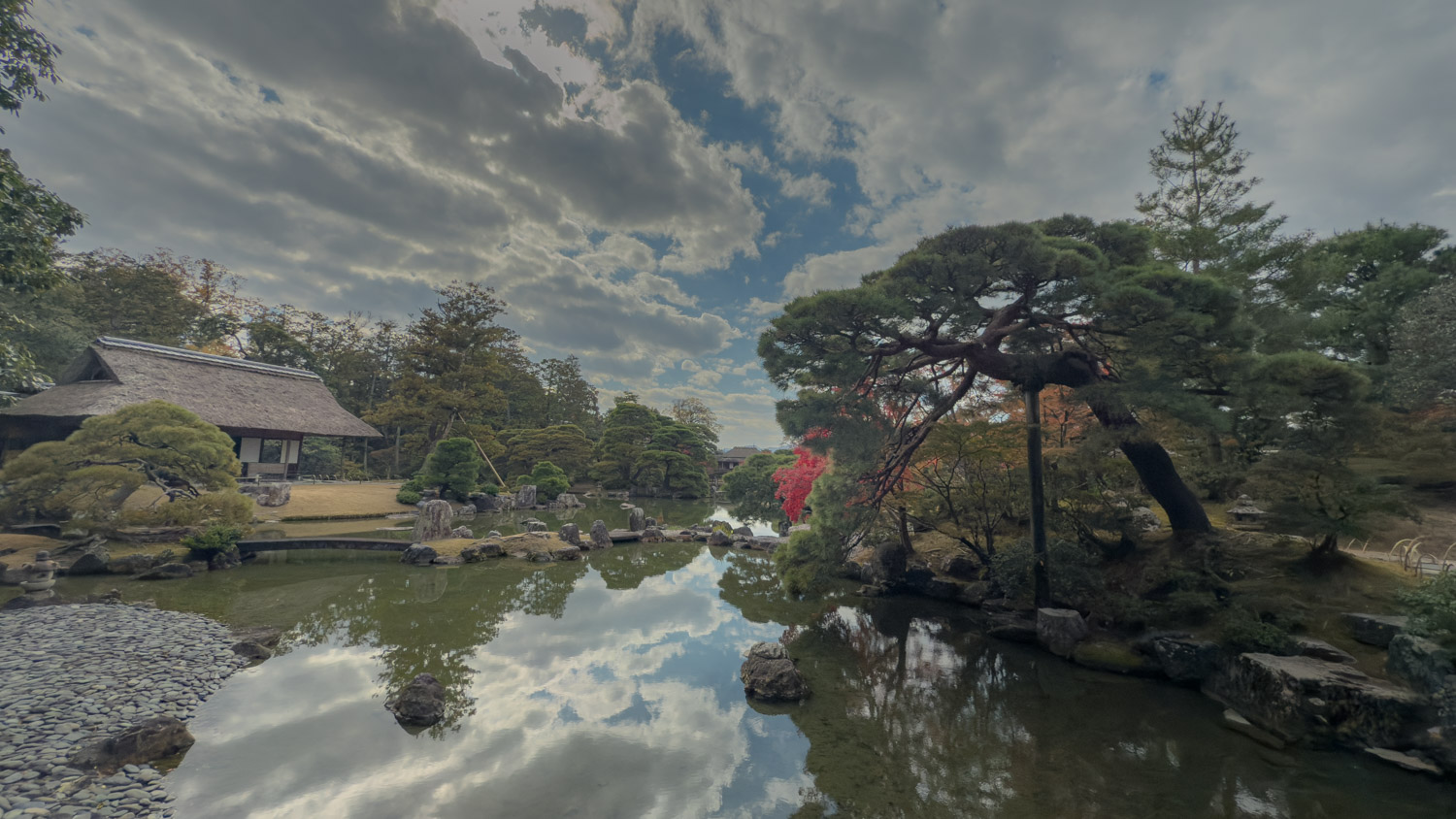
Katsura Imperial Villa lives in Japanese history textbooks. It also lived around the corner from two of my closest friends.
In college, the three of us spent nearly every day together. Their homes were close enough to Katsura Rikyu, as the villa is called in Japanese, that it was practically part of the neighborhood. We talked about everything. We never once talked about going in.
Years later, I finally booked a tour. Then I booked another. The first visit was in late May, the second in late November, and the garden looked like two different places. The warnings didn’t change at all.
Not a Place for College Students
I counted the students in my tour group. Zero.
Both times I joined a Japanese-language tour, and both times the group was mostly couples who looked comfortably retired. Once I thought about what it takes to get in, that made sense. You apply months ahead. You bring a passport or other ID. You arrive on time, and then you walk for an hour at someone else’s pace, on someone else’s path, without stepping off it once. At twenty, I doubt I’d have made it past the application.
A Guide in Front, the Imperial Guard Behind
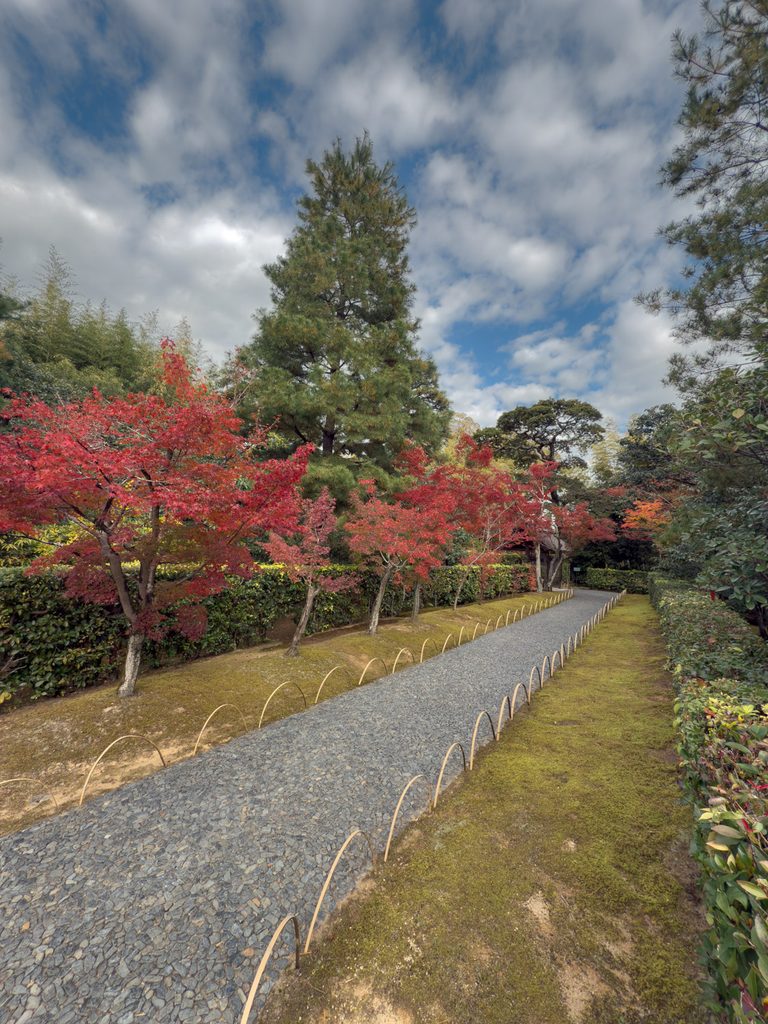
As at the other gardens run by the Imperial Household Agency, including Shugakuin Imperial Villa and the Sento Imperial Palace, a guide from the agency walks at the front of the group, and an officer of the Imperial Guard, the police force that protects the imperial family and its properties, walks at the back. Between them, the rest of us move through the garden in a loose single file.
The guide made the first warning sound like a joke: please try not to fall into the pond. Then we reached a bridge with no handrail, then another, and the joke started to sound a lot like policy.
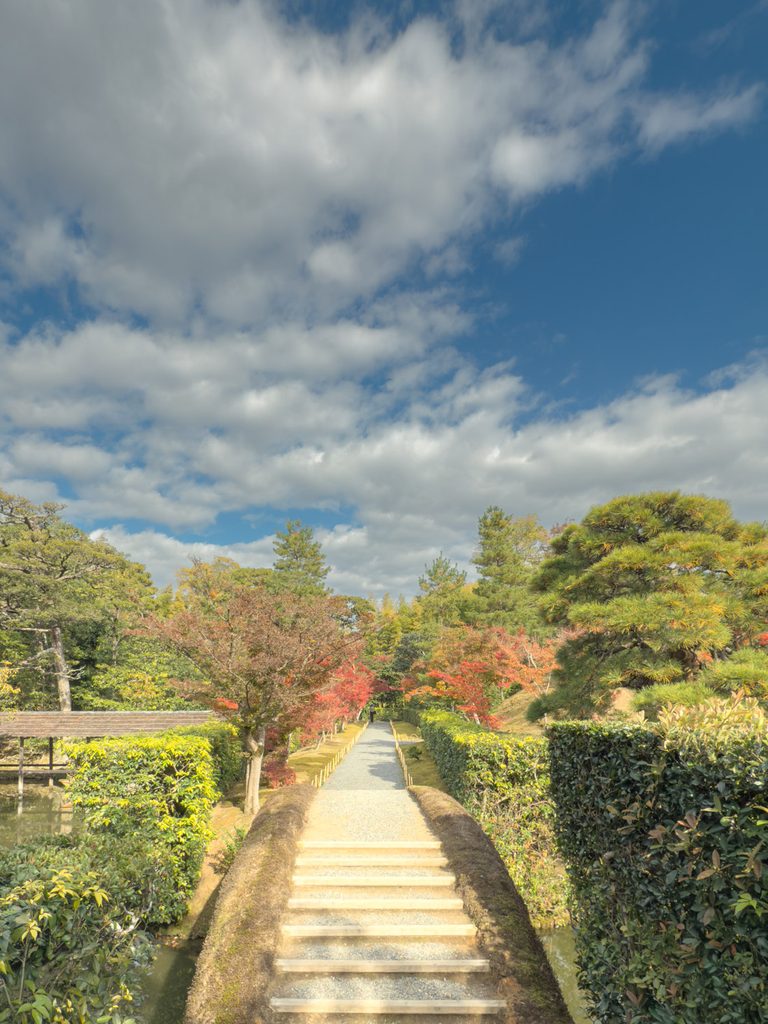
The officer at the back didn’t joke. The subject was moss, and the message was simple: stay off it. The warning came firmly, with none of the guide’s lightness, and after that I watched my feet as closely as I watched the garden.
Why You Walk in a Line
The line has an older reason than security.
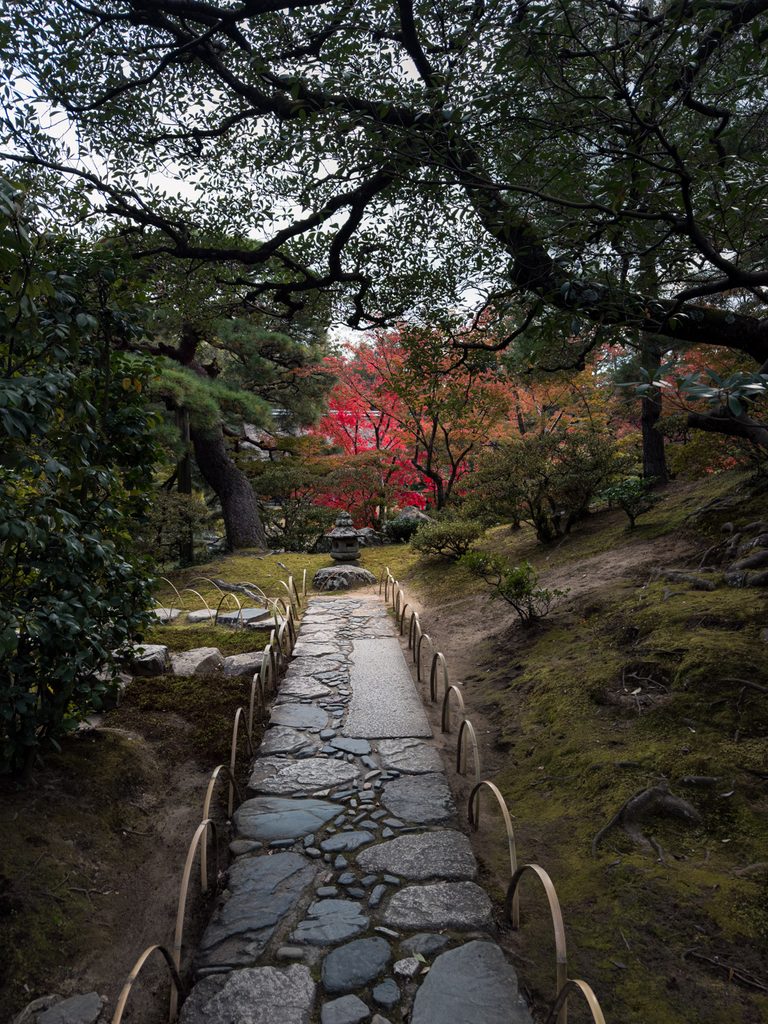
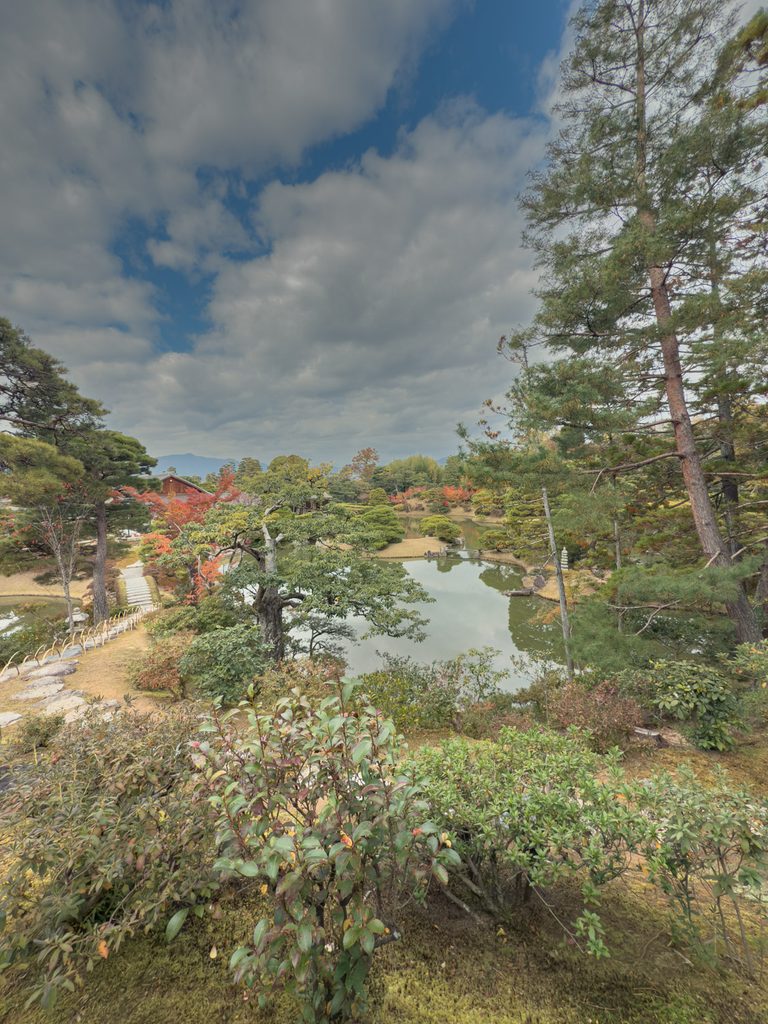
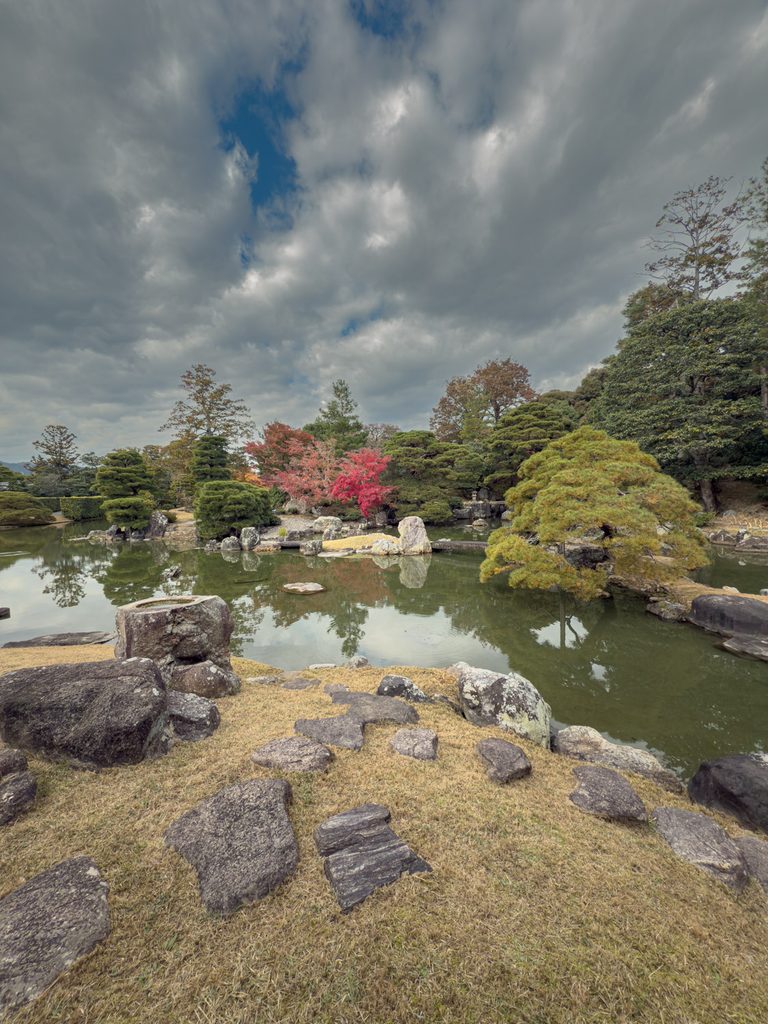
Katsura is a stroll garden built around a large pond, and it’s laid out to be seen in sequence. The path bends, a small hill rises, and the pond disappears. A few steps later it comes back from a new angle, with a teahouse you didn’t know was there.
Someone in the seventeenth century decided the order in which you’d see things. A guided group on a fixed route keeps that order intact, four centuries on. The moss rule protects the ground the views depend on, and the pond joke protects you. By my second visit, I’d started to hear the warnings as part of the design.
What Is Katsura Imperial Villa?
The villa’s story starts in the early 1600s with Prince Toshihito, the first head of the Hachijo-no-miya princely family, who chose land on the west bank of the Katsura River, a spot Heian-period aristocrats had long favored for their retreats. The exact dates aren’t known, but the Imperial Household Agency believes the villa took roughly its present form over about fifty years, from around 1615 to around 1662. The prince built the Old Shoin, and his son later expanded the villa with the Music Room and the New Palace for a visit by the retired Emperor Go-Mizunoo.
Today the estate covers about 69,000 square meters (roughly 17 acres) inside a bamboo fence. The shoin buildings stand in a staggered line known as ganko, like geese in flight, with teahouses and a small Buddhist hall scattered around the pond. A seventeenth-century account, Nigiwaigusa, records that the prince directed the work on site and tried to bring scenes from The Tale of Genji into the garden. It was built for boating, poetry, music, and moon viewing, and it came under the Imperial Household Ministry in 1883.
Bruno Taut and the Birthday Visit
The villa’s most famous visitor arrived in 1933.
Bruno Taut, one of the leading modernist architects of his day, left Germany that year after the Nazis came to power. He landed at Tsuruga, on the Sea of Japan coast, on May 3. The very next day, the architect Isaburo Ueno took him to Katsura. The story goes that Taut made a habit of seeing the finest architecture of wherever he happened to be on his birthday, and Ueno timed the visit to match. May 4 was Taut’s birthday. He saw the garden in early May, the same season as my first visit.
He was deeply moved. A few weeks later he saw the lavishly decorated Toshogu shrine at Nikko and wrote in his diary that it was a decline of architecture. In his later writing he placed Katsura and Ise Grand Shrine on one side as “imperial art” and Toshogu on the other as “shogun art.” Taut is often called the man who introduced Katsura to the world, a claim historians have since complicated. His visit is still the reason many architecture lovers put Katsura on their list.
Shokintei and the Checkerboard
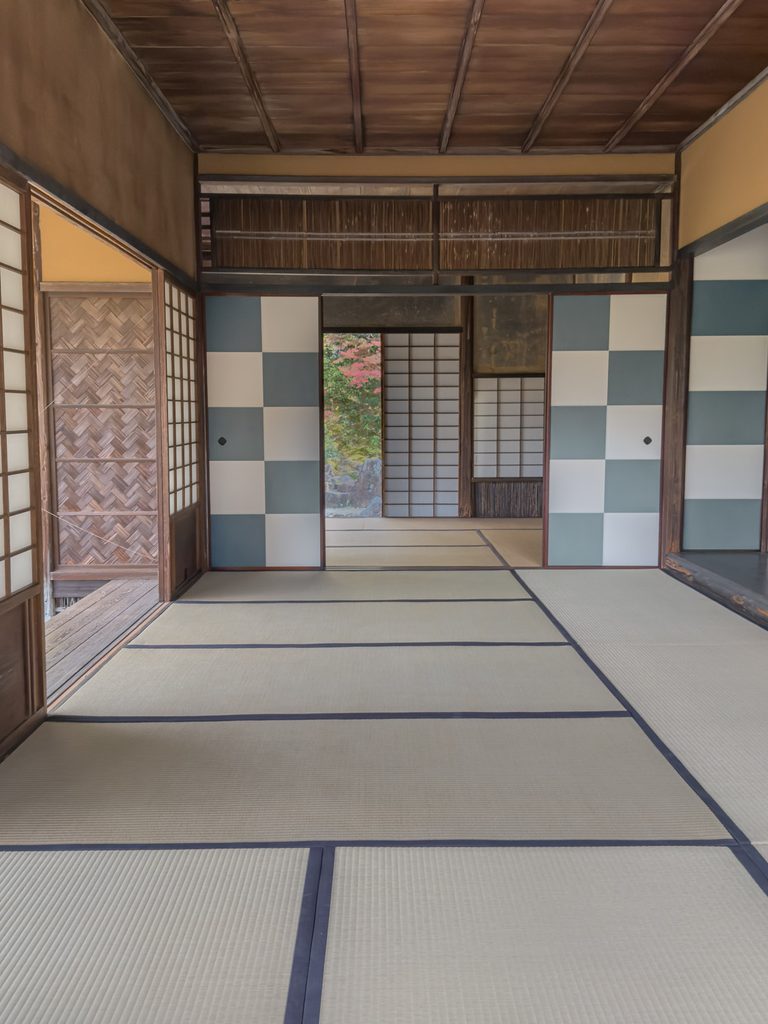
Of everything on the route, the image I carried home was a pattern: the bold blue-and-white checkerboard on the sliding doors inside Shokintei, a teahouse on the pond.
For a building of the Edo period, it looks startlingly modern, like something a contemporary designer would pitch. You see it from the tour route, framed by the doorway, with the garden showing through the room on the far side.
Rice Fields and Moonlight
From the windows of Shoikentei, another teahouse on the route, you look past the garden to rice paddies, and the guide’s explanation of them was the part of the tour that stayed with me longest.
The Imperial Household Agency bought about 7,000 square meters of the surrounding farmland and leases it to local farmers. The paddies keep the land outside the fence open and green, which helps preserve the scenery around the villa. Protecting Katsura, it turns out, extends well past the bamboo.
Then there’s Gepparo, a pavilion built for watching the moon. Before electricity, the moon would have been the only light the garden had on those nights, and on a bright one I imagine it lit the whole pond. On a night like that, a careless step onto the moss might even have been forgiven.
Two Seasons, the Same Warnings
In late May, the new green was so perfectly tended that I wanted to reach out and take a handful of it, and that visit is the reason I came back in autumn.
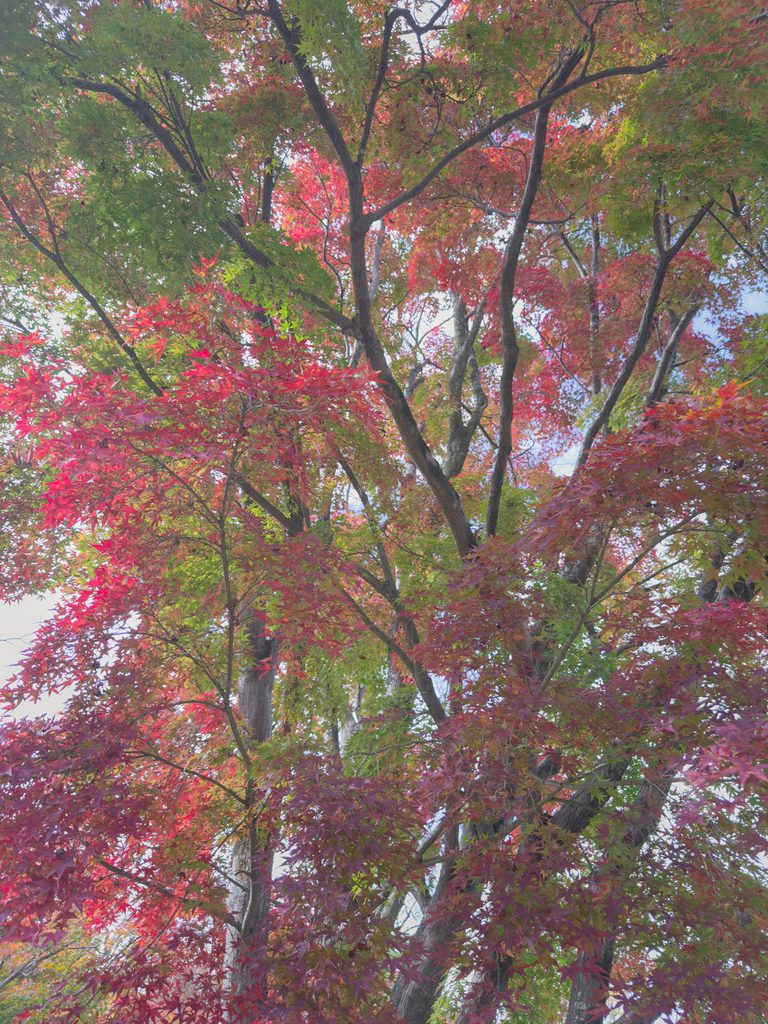
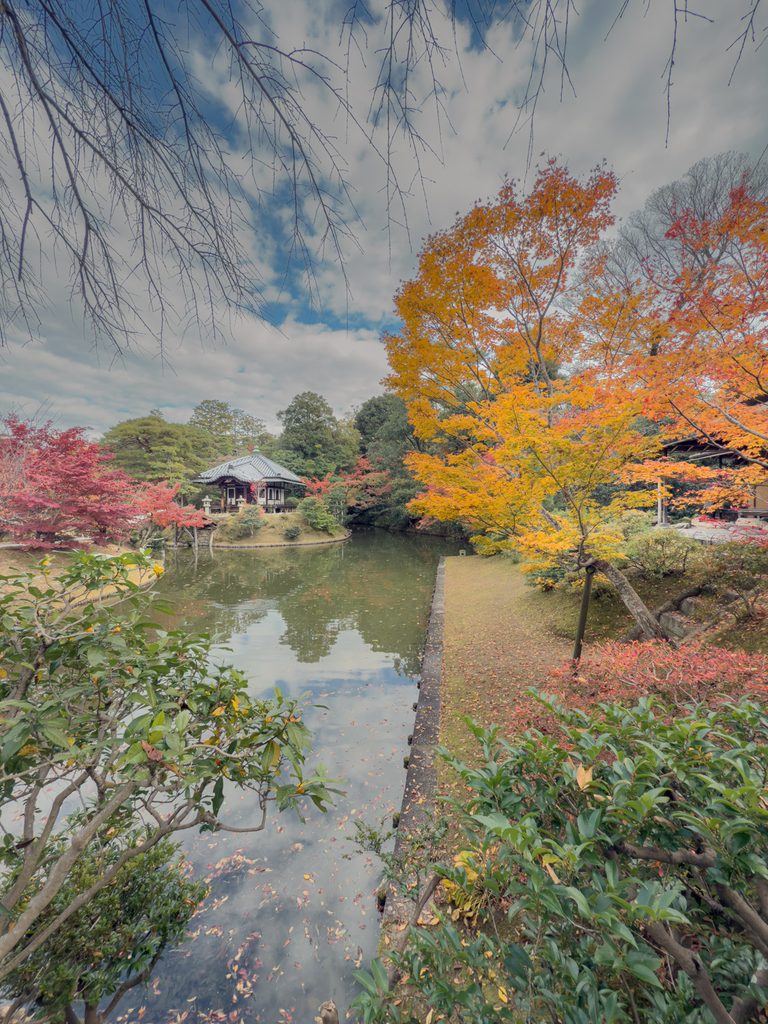
Katsura isn’t especially known for fall color, and late November was cool. The maples burned anyway. Some were fully red, some orange, some still holding on to green. Others had already started to let go, and their leaves drifted down onto the moss and floated on the pond. The garden was at its most beautiful in the act of losing them.
The guide’s pond joke was the same. The Imperial Guard’s moss warning was the same. Somewhere in the Imperial Household Agency, I suspect, there’s a script. I’ve come to respect it.
As for my two friends, I’d bet they still haven’t gone, and never will. Seeing the garden made me sure of it. Given the choice between this and Netflix, they’d pick Netflix.
Katsura’s rules begin long before the moss. They start with the application.
How to Get Katsura Imperial Villa Tickets
You can’t just walk in and wander.
Every visit is a guided tour run by the Imperial Household Agency, and capacity is limited. There are three ways to secure a place. Applications made by proxies or travel agents aren’t accepted, so you’ll be booking this yourself.
Online Reservation (Recommended)
Online applications open at 5:00 a.m. Japan time on the first day of the month, three months before your preferred month, and close at 11:59 p.m. three days before your date. For a November 10 visit, for example, you could apply from August 1 until November 7. If more people apply than there are spots, the agency holds a lottery and emails results within three working days.
One main applicant can add up to three companions. You’ll need each person’s name, age, and nationality, plus a phone number and email address for the main applicant. Apply through the Imperial Household Agency’s online reservation page, and read the official application guidelines (PDF) first.
Walk-In Registration at the Villa
If the online slots are gone, there’s a same-day option. Reception opens at 8:40 a.m. at the villa entrance, and numbered tickets for specific tour times are handed out first come, first served until they run out. Walk-in tickets cover only the Japanese-language tours, which start on the hour from 9:00 a.m. to 3:00 p.m. Daily capacity is about 70 people, plus any spots left over from advance bookings. Bring ID.
In Person at the Kyoto Office
You can also apply in person at the Kyoto Office of the Imperial Household Agency, inside Kyoto Gyoen National Garden, from three months ahead until the day before your visit. The agency notes that a permit may not always be available.
English Tour or Japanese Tour?
I took the Japanese tour both times, but if you don’t speak Japanese, the English tour is the one to book. English-guided tours are reserved for foreign visitors and start at 9:20 a.m., 11:20 a.m., 1:20 p.m., 3:20 p.m., and 4:20 p.m. There’s no audio guide on these, and you won’t need one. If you end up on a Japanese tour, free audio guides in English, Chinese, French, Spanish, and Korean are available for foreign visitors, but supplies are limited.
Two seasonal exceptions are worth knowing. From October through February, the 4:00 p.m. and 4:20 p.m. tours don’t run. In July and August, to reduce the risk of heat illness, the agency mainly opens the early morning and late afternoon slots.
Fees, Hours, and What to Bring
| Tour length | About 60 minutes |
| Walking distance | About 1 km (0.6 miles) |
| Group size | Up to 20 people per tour |
| Admission | 1,000 yen (age 18 and over); free for ages 12 to 17 |
| Payment | Cash; Visa, Mastercard, American Express, JCB, Diners Club; IC cards such as Suica and ICOCA (no QR code payments) |
| ID | Passport or other government-issued ID required for every visitor |
| Closed | Mondays (Tuesday if Monday is a national holiday) and December 28 to January 4 |
Wear shoes you trust. The route includes stone bridges without handrails, large steps, and small hills, and the ground is uneven in places. Stay on the path the whole way, since the moss beside it is exactly what the officer at the back of the line is there to protect.
Getting to Katsura Imperial Villa
Take the Hankyu Kyoto Line to Katsura Station, leave by the East Exit, and walk about 20 minutes. Katsura is also where the Hankyu Arashiyama Line begins, which makes the villa easy to fold into a day in western Kyoto. Kyoto City Bus and Keihan Kyoto Kotsu buses also stop at Katsura Rikyu-mae.