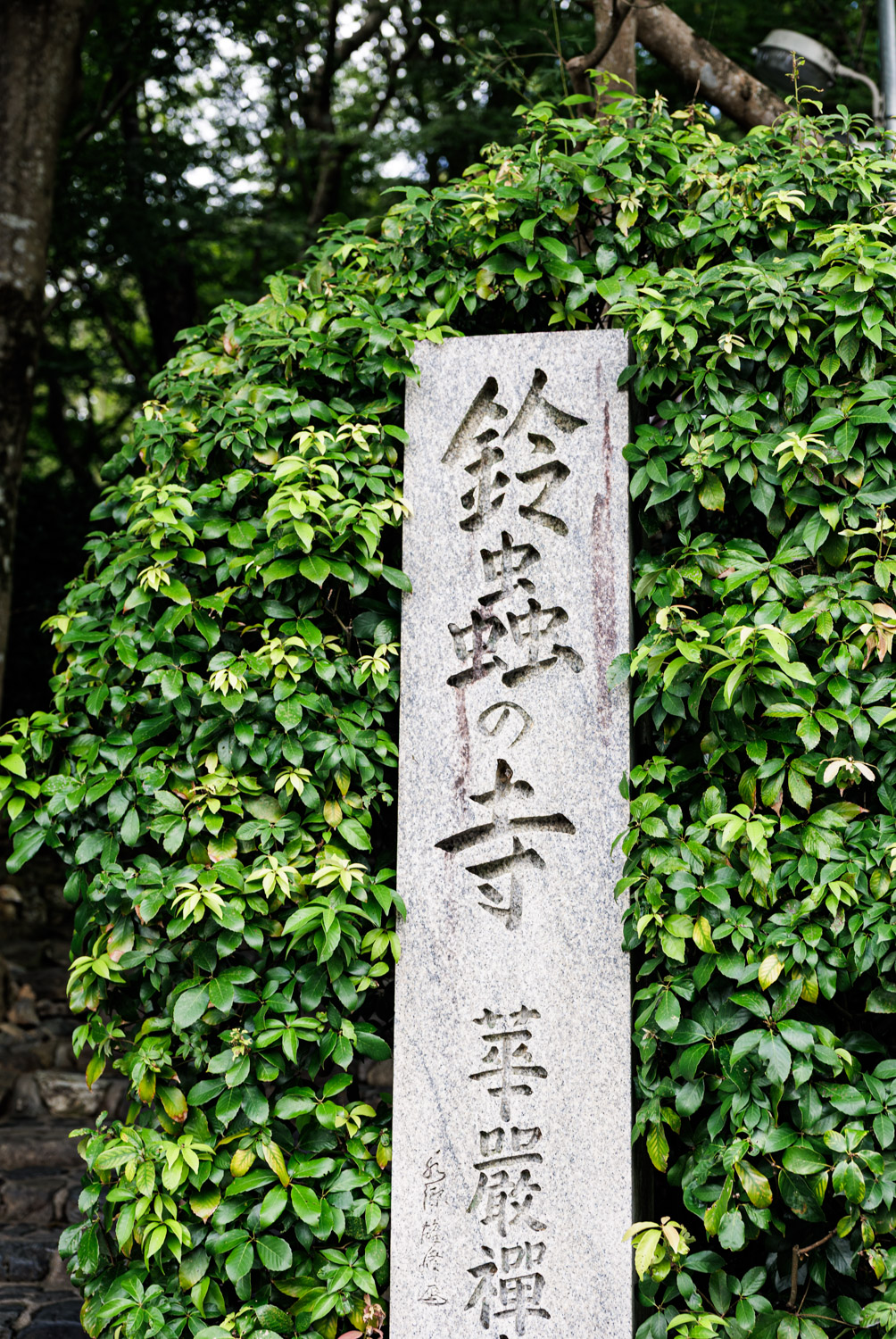
“Please relax your legs.”
Mine were already relaxed. I had given up on kneeling somewhere around the second minute, along with most of the room. This is how a visit to Suzumushi-dera Temple in western Kyoto begins: a hundred or so people on tatami, a cup of cold tea going warm in their hands, and a monk who is about to talk without pausing for thirty minutes.
Everything you may have read about this place emphasizes the crickets. The temple keeps them singing all year, which is why people call it the Bell Cricket Temple. But the crickets are the background music. The sermon is the visit. It runs entirely in Japanese, with no interpreter and no English handout, and the temple’s website has no English pages either. Most English guides will tell you a sermon exists. This one tells you what is in it.
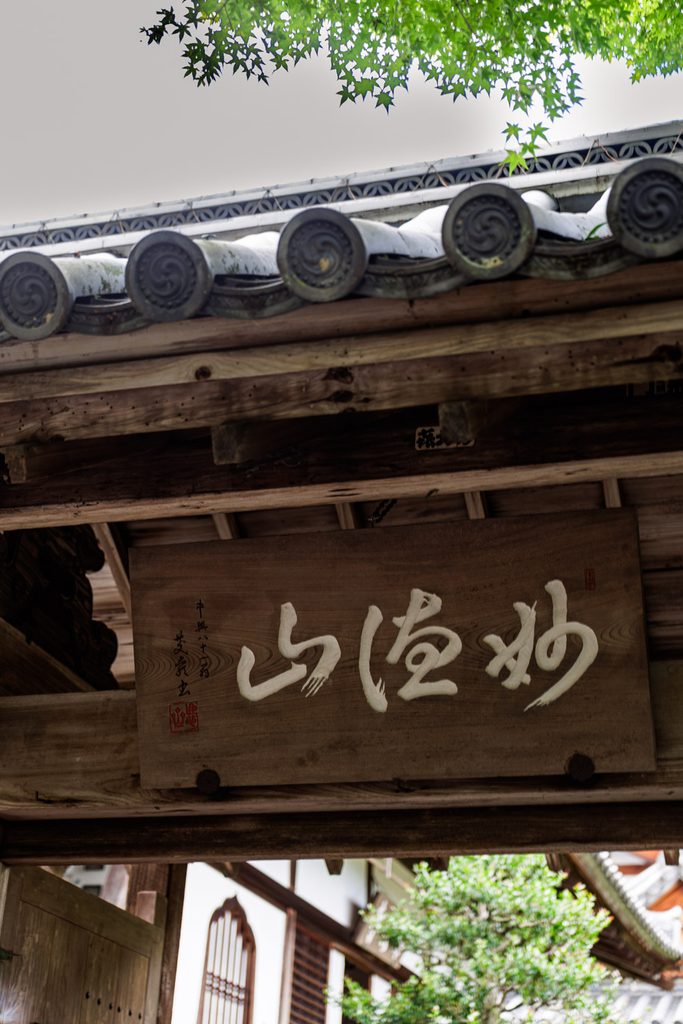
Please Relax Your Legs
I waited five minutes on the steps.
It was a Saturday, and the temple’s own congestion calendar had rated the day at the second of its three levels. Not the empty one. Not the all-day-packed one. The middle. And still there was a line down the stone stairs, because the hall only holds so many people and nobody gets in until the previous group files out.
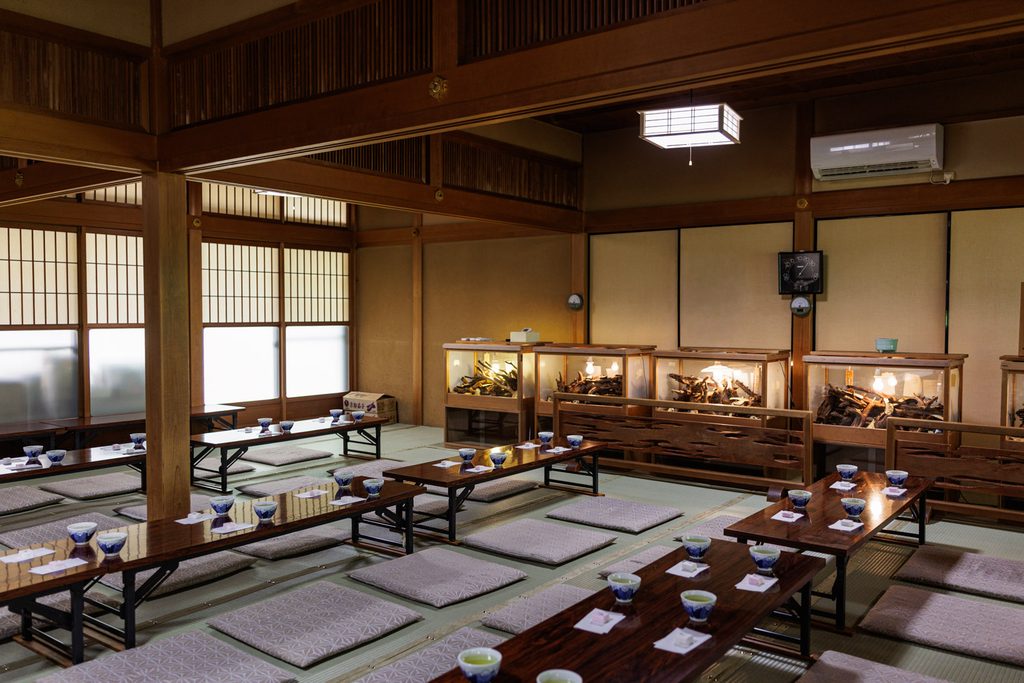
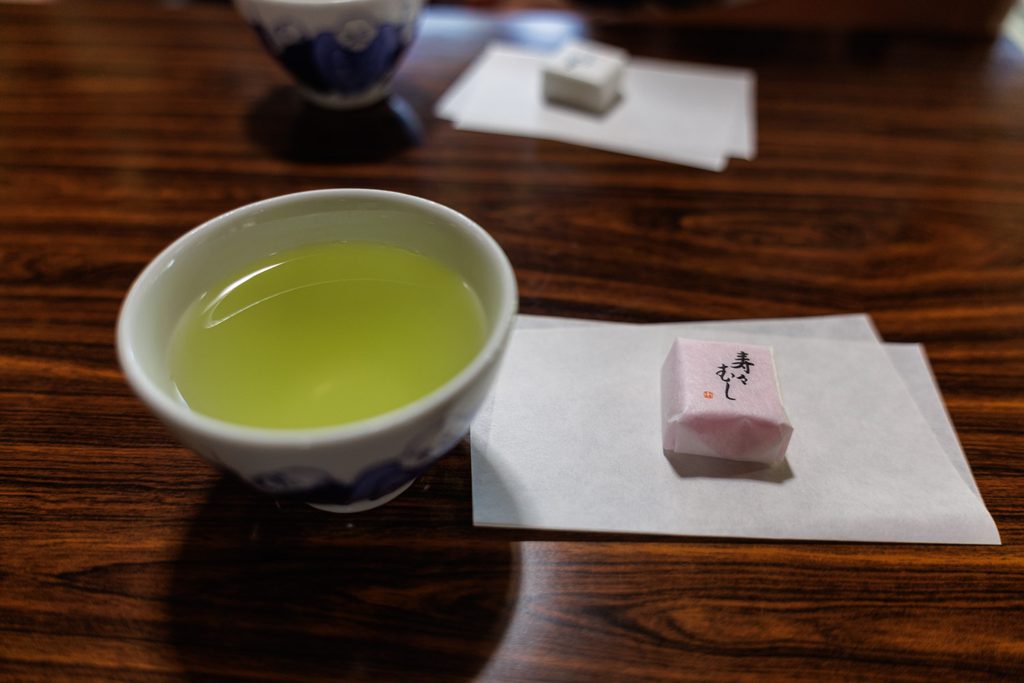
The room was ringing when I walked in. Bell crickets, thousands of them, in glass cases along one wall, filling the hall with a high silvery sound that was the first pleasant thing about the day. Someone handed me a thick ceramic cup of cold tea and a small dry sweet, hard and white and almost pure sugar. It is called suzumushi, the same word as the crickets, and it is made only for this temple. I could not remember the last time I had eaten something like it. Probably as a child, stealing from the offerings on a family altar.
Then the room filled, and the crickets went away. Not literally. The hall simply gathered enough people waiting for a monk to appear that their voices climbed over the insects, and by the time the last group sat down I could not pick the sound out at all. Sixty seconds of listening to something remarkable, and then it turned into background music, the kind you stop hearing in a hotel lobby.
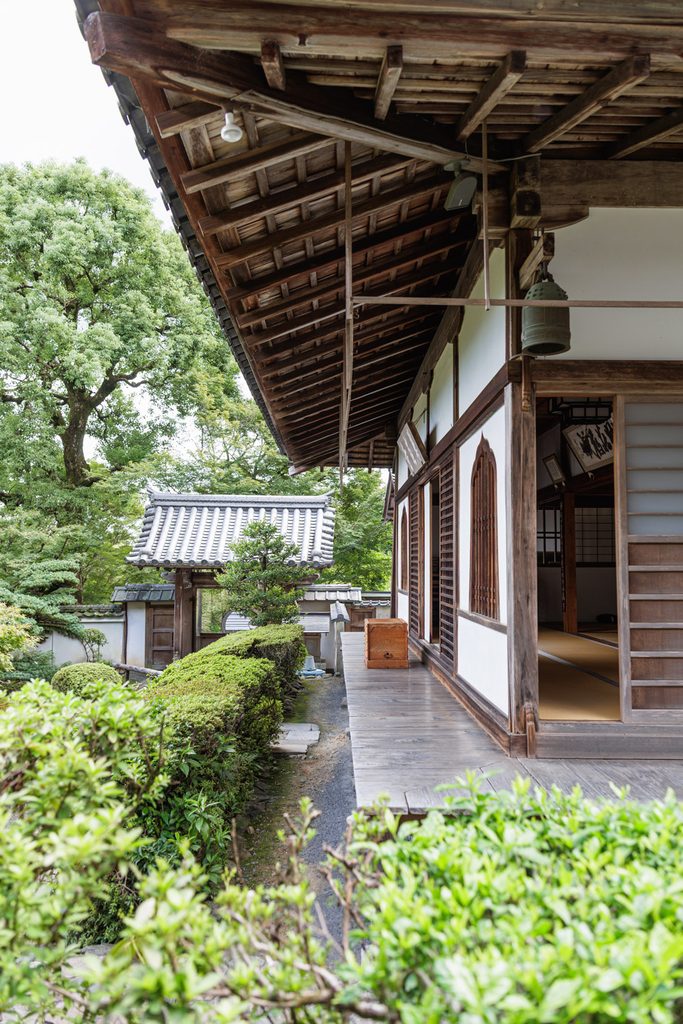
I learned later that the tea and the sweet are not hospitality in the ordinary sense. They are a Rinzai Zen form called sarei, a tea ritual folded into daily practice. This is a Zen temple. It does not look like the Zen temples in the guidebooks, the ones with raked gravel and long empty verandas, but that is what it is.
Then the monk came in and told us to relax our legs.
I Did Not Raise My Hand
“Who here has been to this temple more than once?”
My hand twitched. I qualified. My first visit was a school trip, and I had a line ready if he called on me: I remember nothing about this place except the name. It would have landed. I was fairly sure it would have landed.
He did not call on me. He said that one visitor, not present that day, had been ninety times.
The room shifted. I put my hand down and kept it down. Two visits is not a number you volunteer in a room where somebody has come ninety times.
Usually It’s Young Women, He Said
Usually this room is full of young women, the monk told us. They come to ask for a good match. Then he looked around at the rows of us on the tatami and said that today, well, not so much. He said it in the tone of a man reporting a disappointing harvest. The room was mostly women well past their twenties, and the room knew it, and the room laughed.
He talked fast. Very fast, in Kansai dialect, dropping in current events and using irony to get his laughs. It is closer to rakugo, the traditional comic storytelling, than to anything most travelers picture when they hear the word sermon. Mine was the fifth session of ten that day. It started at 12:20. It finished at 12:51.
What the Monk Actually Says at Suzumushi-dera Temple
He barely mentions the crickets.
English-language listings tend to say that a monk tells you about the bell crickets. That is not what happens. The crickets get a few minutes at the start, and the rest is instruction: how to ask for something, and how to live while you wait for it. Here is what I heard, reconstructed as closely as my memory allows.
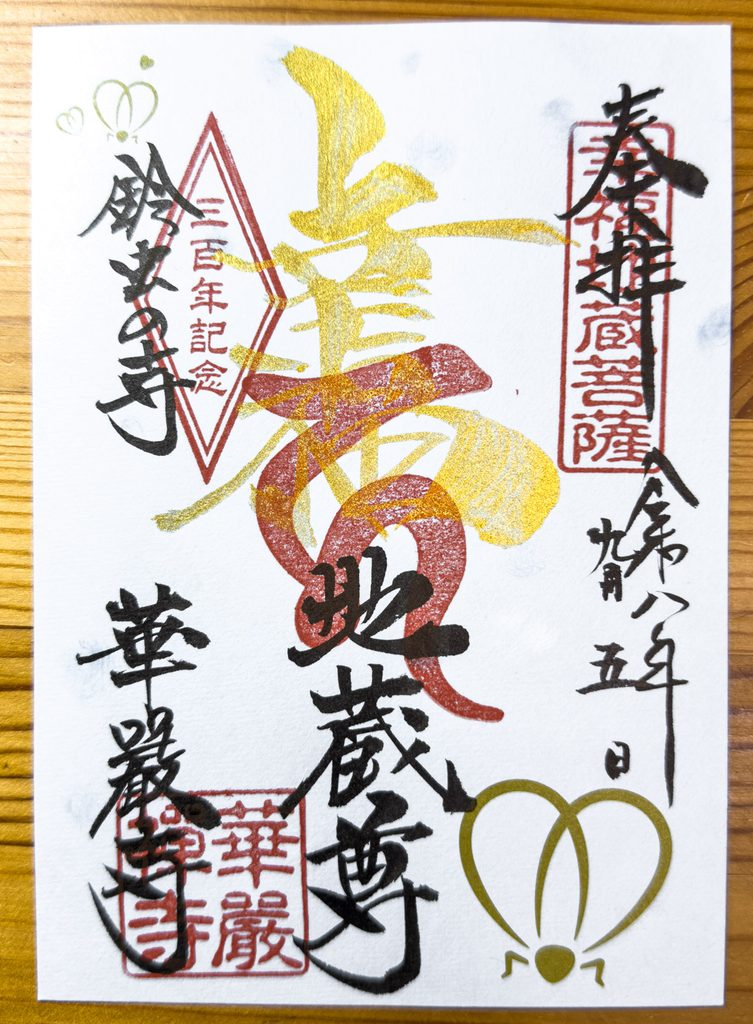
The Jizo standing beside the stone steps grants a single wish per person. One only. Not a lottery win, and not business success, both of which he ruled out by name. What comes instead, from middle schoolers to the very old, are wishes about illness, about bullying, about making the team. And this Jizo does not wait at the temple for you. He walks to your house to deliver what you asked for, which is why he is said to be the only Jizo in Japan wearing straw sandals. Give him your name and your address, or he cannot find you.
The kofuku omamori, the happiness charm sold at the temple, has the character for happiness on one face. When you press your palms together, hold it so that character stays visible between your hands.
Not a wonderful man. The right one. On the subject of romantic wishes, he offered a correction. Do not ask for someone wonderful to appear. Ask for the person who suits you. There was another laugh at that, a smaller and more uncomfortable one.
Wagen aigo. A gentle face and kind words, given to other people. Paired with a second idea he returned to twice: the only person who can control your mind is you. That, he said, is the heart of Zen.
Bodhidharma. A question about October’s temple observances took him to the founder of Zen and the verse attributed to him: one flower opens five petals, and the fruit ripens of itself. Then he added, in passing and at speed, that sokkon tadaima, this instant, right now, is a phrase often credited to Bodhidharma and is not in fact his.
The closing line. On your way out, he said, please put on the shoes you came in wearing. A hundred people laughed at once, and the crickets went on behind it.
Twenty-Eight Years to Keep a Cricket Singing
Bell crickets are autumn insects. They start in late summer, sing through the cooling nights, and die when the season turns. The eighth head priest of this temple found that unbearable, and set out to keep them singing year-round. It took twenty-eight years. The population is around ten thousand and varies with the season, and they eat eggplant.
No temple in Japan has climate control like this one, the monk said, and he was not talking about the visitors. When the talk ended I walked over to the cases, which is when the cold hit properly, the kind of air conditioning that makes you fold your arms in September. The crickets were louder there and still pleasant, which surprised me. What I remember is not what they look like. It is the sound they make.
The Jizo on the Steps and the View Over Kyoto
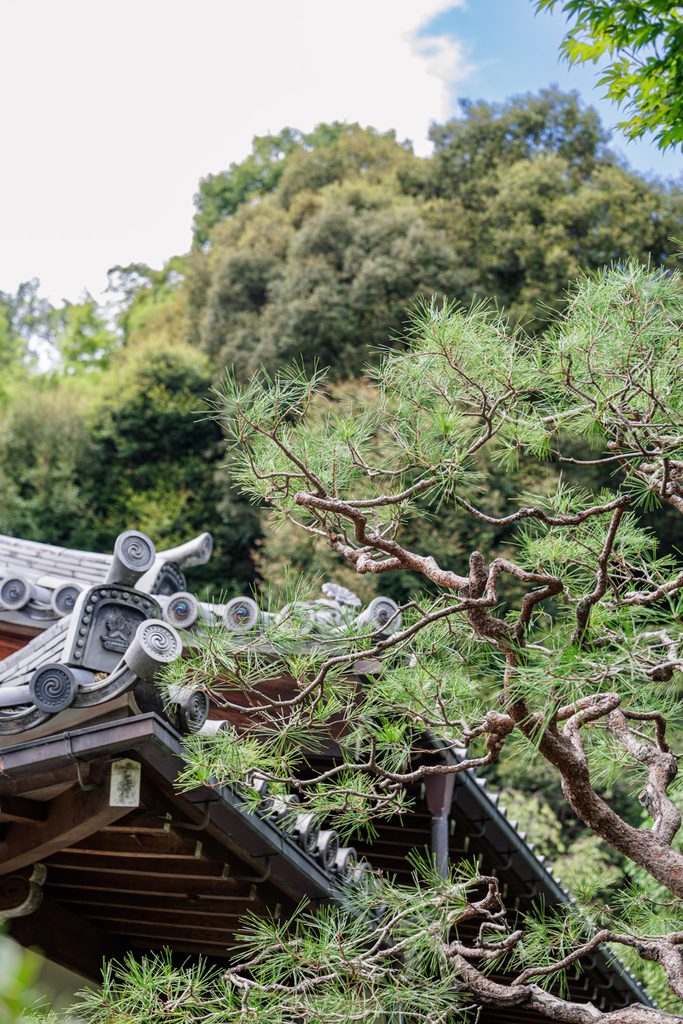
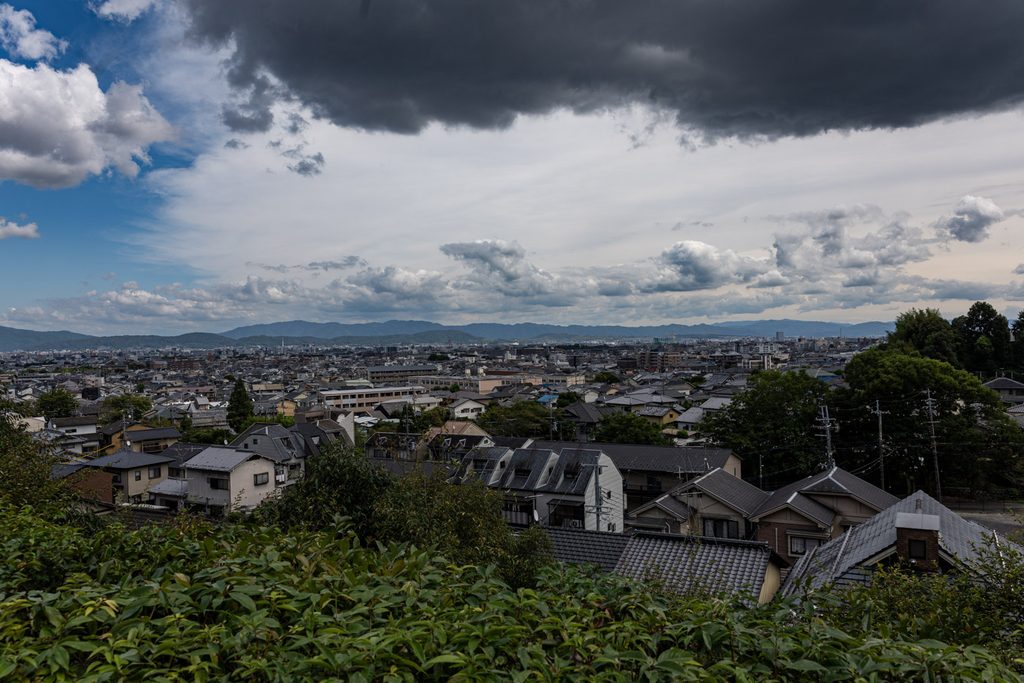
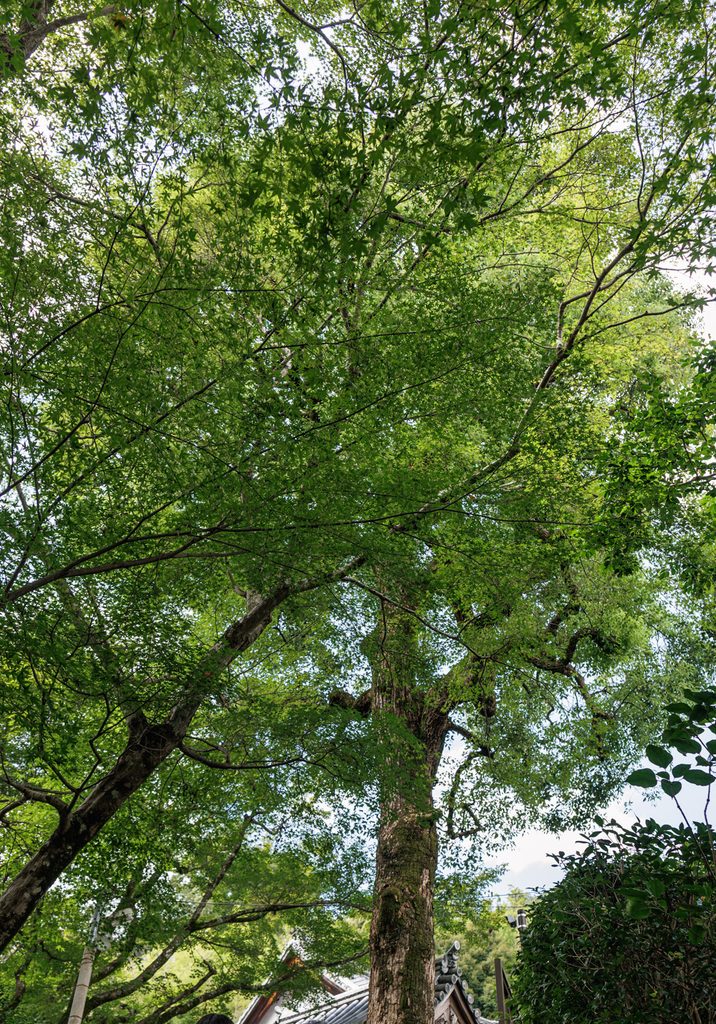
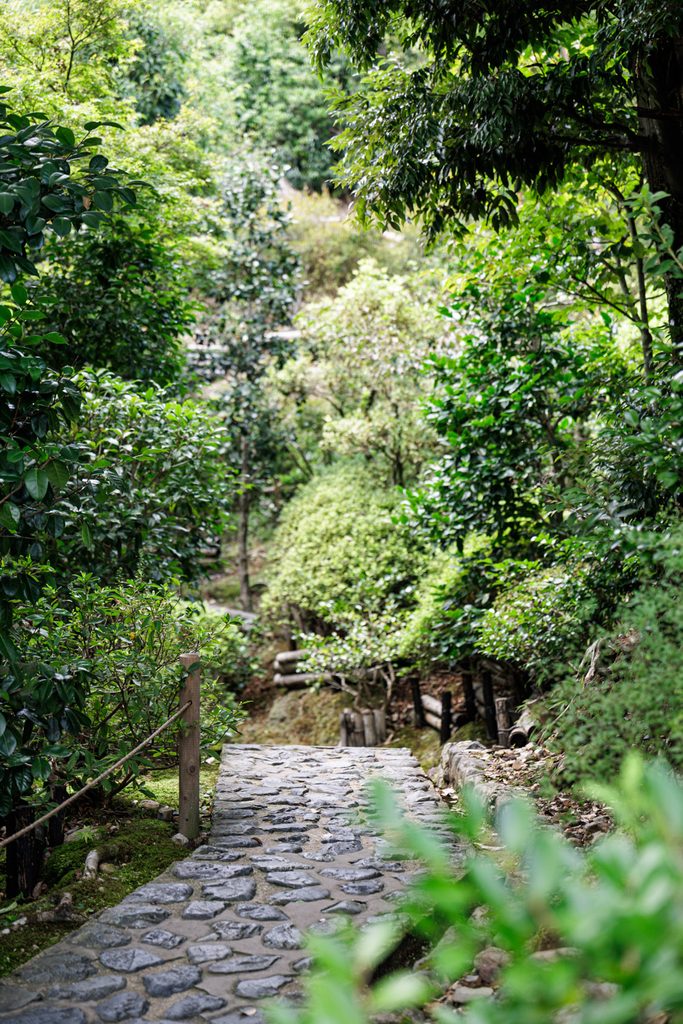
You can walk the whole grounds in five minutes. The garden is small and no other buildings are open, which is the clearest way to say what this temple is. What remains outside is a short path, a stand of maples along the steps, and a gap in the trees where the city appears. On my day the clouds sat low and black over the rooftops, with the far mountains showing pale underneath.
The maples are green in September. In late November they will not be, and I suspect this is a very good place to stand at that time of year, though I have not seen it myself.
Beside the steps stands the Jizo in his straw sandals. People line up, one at a time, press their hands together and say something quietly. They are giving their address.
Suzumushi-dera Temple, or Kegon-ji: A Short History
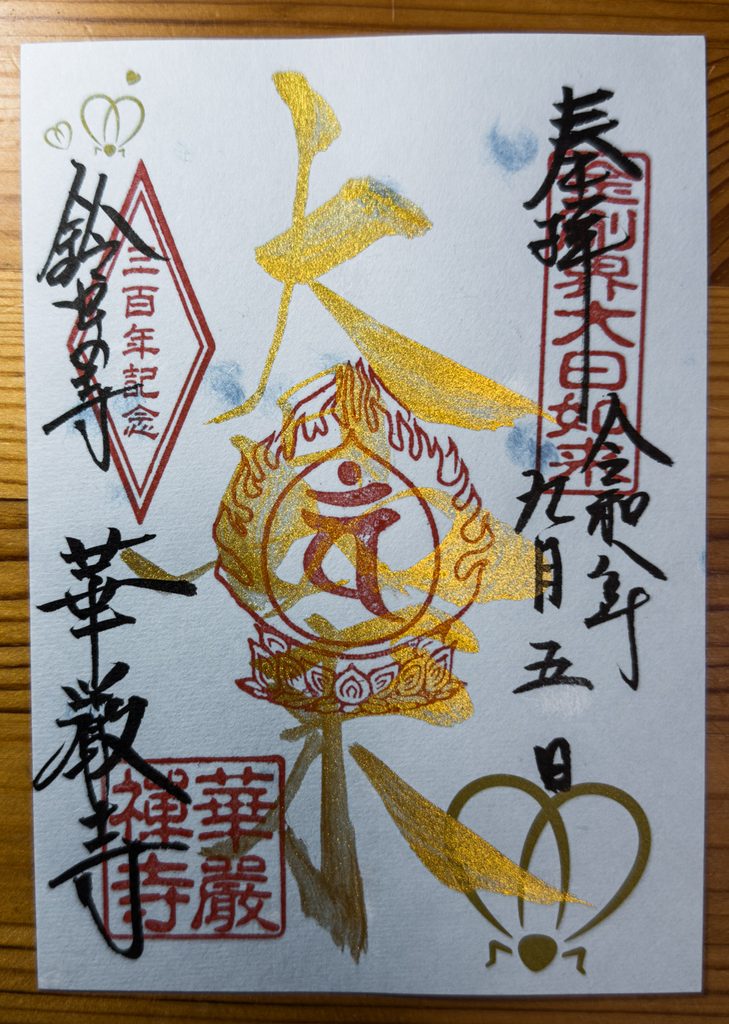
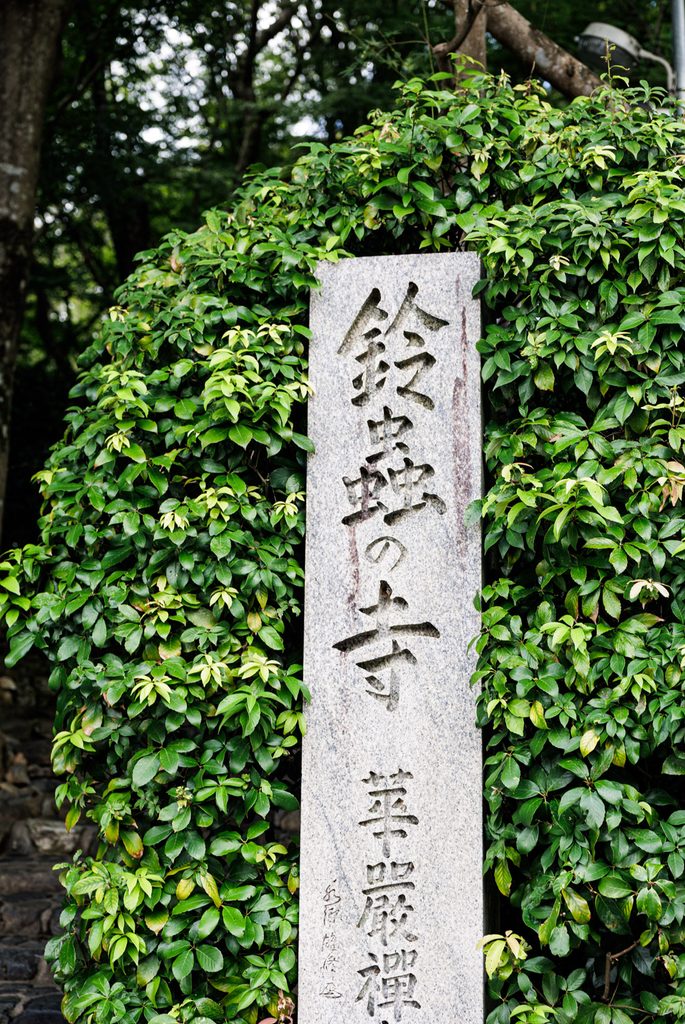
The nickname came much later than the temple. Its formal name is Myotokuzan Kegon-ji, founded in 1723 by the scholar-monk Hotan, who intended it as a revival of the Kegon school of Buddhism. About 150 years ago it changed affiliation and became a Rinzai Zen temple, and it remains independent within that tradition today. The principal image is Dainichi Nyorai. The crickets arrived with the eighth head priest and his twenty-eight years of experiments, which puts them somewhere in living memory.
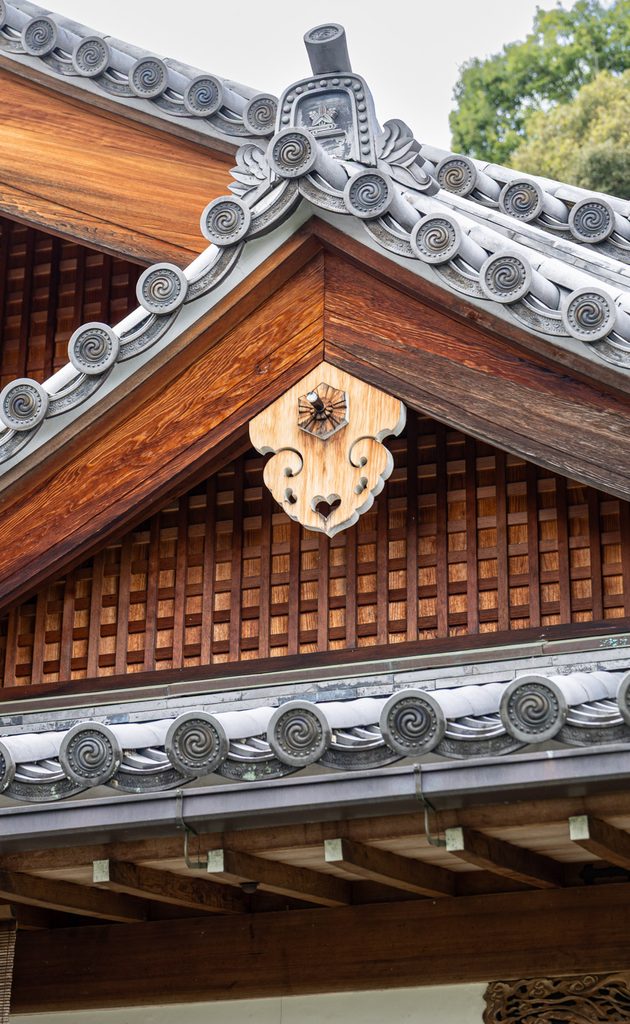
The temple marked three hundred years since its founding in 2023. The next milestone is 2038, the three hundredth anniversary of the founder’s death, and preparations for it are already underway, including the repair and rebuilding of temple structures.
The work has to happen in a particular order. The slope behind the temple must be reinforced against landslides first, because without that the city and the prefecture will not issue building permits. Donations are collected in a small thatched hut on the grounds, and bank transfers are accepted. A three-hundred-year-old temple, waiting on paperwork.
Getting to Suzumushi-dera Temple
The temple sits at the foot of Mount Matsuo, southwest of Arashiyama, in a residential pocket of Nishikyo Ward that most visitors to Kyoto never reach.
- From Matsuo-taisha Station on the Hankyu Arashiyama Line, about 15 minutes on foot. A sign past the shrine claims 16 minutes from that point, but I walked it in about 10.
- From Kami-Katsura Station, also on the Hankyu Arashiyama Line, roughly 25 minutes on foot.
- By Kyoto Bus, get off at the Kokedera Suzumushidera stop, about 3 minutes away. The ride from Kyoto Station takes around an hour.
- From Togetsukyo Bridge in Arashiyama, about 2 km, or half an hour of walking.
The last stretch is eighty stone steps. There is no way around them.