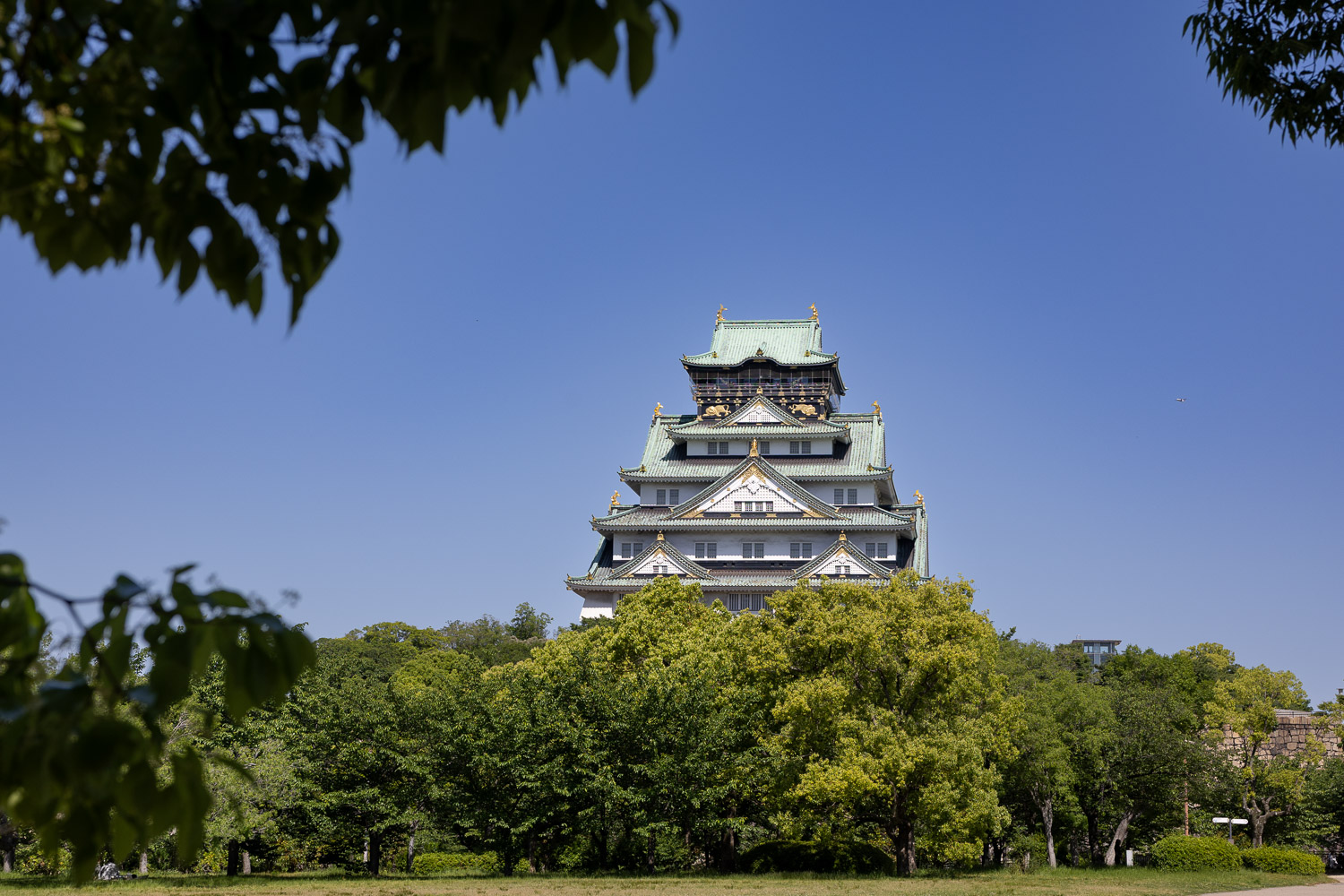
The monks fought back.
For ten years, they held a fortress on this exact ground against the most powerful warlord Japan had ever produced. They survived sea blockades, artillery, and the full military weight of Oda Nobunaga — the man who had dissolved the shogunate without visible effort.
The ground beneath Osaka Castle has a story most visitors never hear. This is that story.
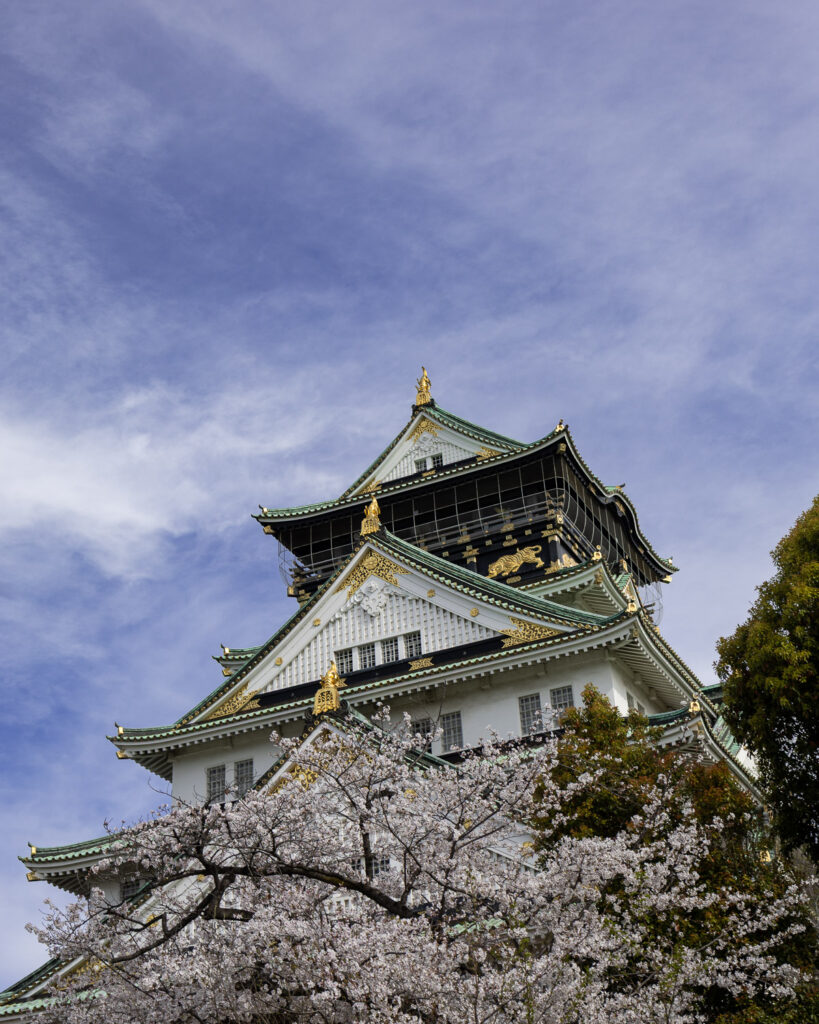
Was Nobunaga Really the Villain?
Every Japanese schoolchild learns the same fact.
Oda Nobunaga burned Enryaku-ji, the great Buddhist temple complex on Mount Hiei. He killed the monks. He was ruthless, possibly monstrous. The image sticks: Nobunaga, the man who burned temples.
But the textbooks stop there. They don’t ask the question that changes everything.
Why did Nobunaga burn the temple? And were the people inside really just monks?
The History Japan’s Textbooks Left Out
I have a confession.
I’m Japanese. I went through the Japanese school system, sat through the history classes, read the approved textbooks. And I have no memory of being taught that Buddhist temples in medieval Japan were armed.
I learned this as an adult. Which makes me wonder: what exactly are the textbooks protecting? The feelings of the Buddhist establishment, perhaps. Whatever the reason, the omission is significant.
And I doubt I’m the only one who missed it.
If you grew up playing Nobunaga’s Ambition — and I spent a regrettable number of hours doing exactly that — you may have encountered fragments of this story in later versions of the game. When I was playing, the Enryaku-ji storyline wasn’t there. The game, like the textbooks, left certain things out.
Here is what they left out:
Medieval Japanese temples were not quiet places of prayer. Enryaku-ji maintained its own standing army — warrior monks called sohei — who served as private military forces, protected temple lands, intimidated political rivals, and on more than one occasion carried sacred palanquins into the capital to physically threaten the imperial court.
Ishiyama Honganji, the fortress that once stood where Osaka Castle stands today, was something else entirely.
Moats. Earthworks. Tens of thousands of armed followers. A network of believers spread across the country, organized and prepared to fight. If you want a Western parallel: imagine the Vatican with a standing army and no hesitation about using it. In Kaga Province, Honganji followers had administered their own autonomous territory for nearly a century — not governed by samurai, but by believers. The ikki held the land.
For Nobunaga, this was not a theological problem. It was an existential one.
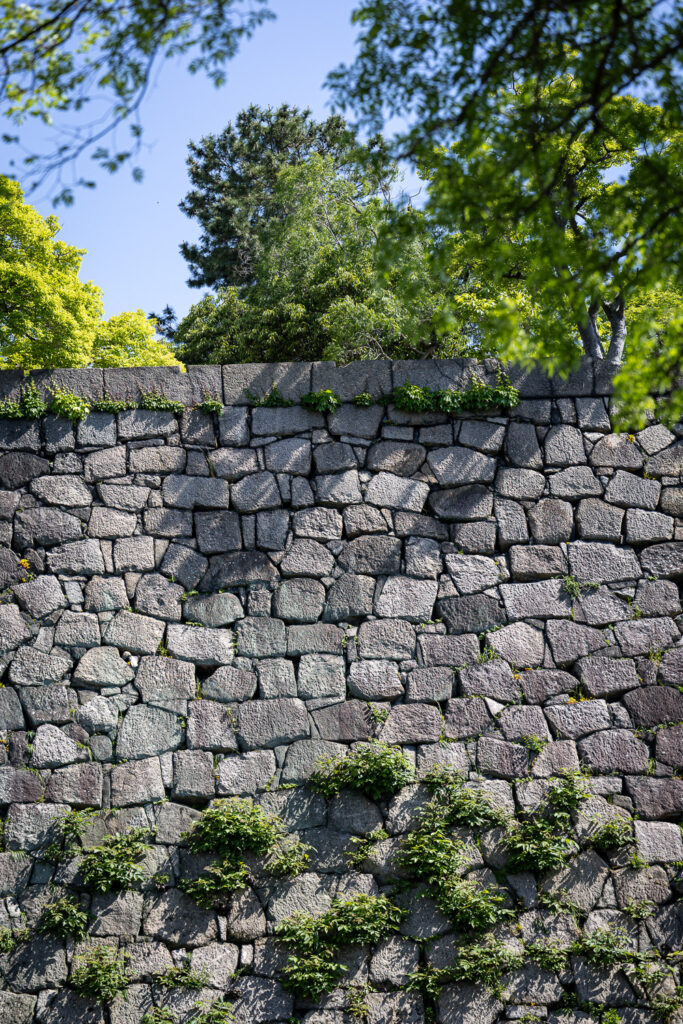
The War Nobody Expected to Last Ten Years
In 1570, Nobunaga demanded that Ishiyama Honganji vacate the premises.
Kennyo, the eleventh head of the Honganji, refused. Then he sent word to followers across the country: take up arms.
Everyone assumed it would be brief. Nobunaga had already ended the Muromachi shogunate. A temple — even a fortified one — was not supposed to hold. Nobunaga probably thought so too.
The fortress didn’t fall.
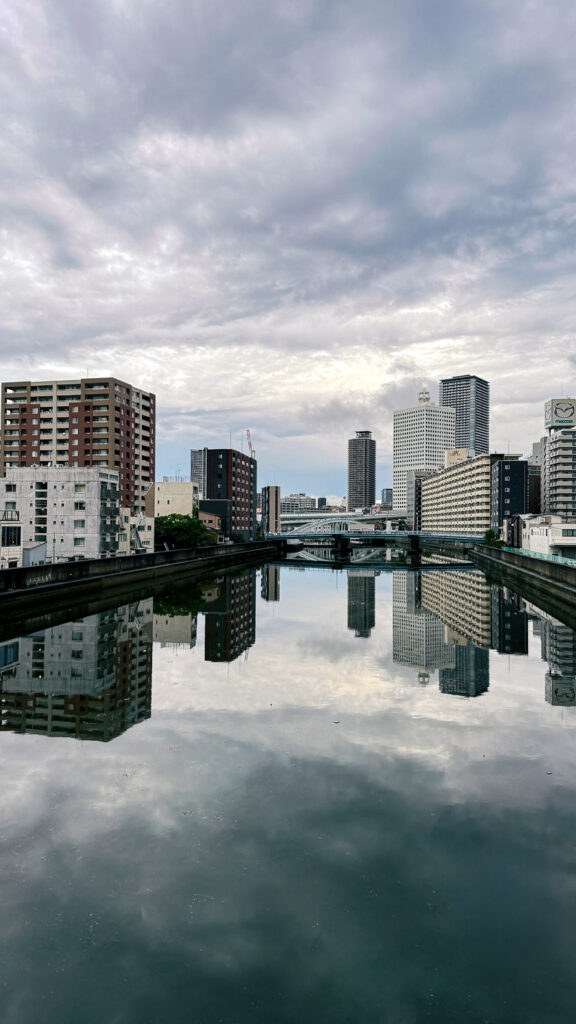
Geography was the reason. Ishiyama Honganji sat at the tip of a sandbar where the Yodo River and Yamato River converged before meeting the sea. You could encircle it from land and still not cut the sea routes. The Mori clan’s navy kept supply ships moving through the Kitan Strait and up the waterways — food, weapons, reinforcements, month after month.
One year passed. Then two. Then three. The fortress held.
The Day Nobunaga Lost at Sea
In 1576, Nobunaga moved to close the sea routes.
It did not go well.
At the mouth of the Kizu River, the Mori fleet — led by the Murakami navy, specialists in coastal warfare — destroyed Nobunaga’s ships. The weapon: horoku-biya, incendiary devices that turned wooden hulls into floating pyres. The first Battle of Kizugawaguchi was a comprehensive defeat.
The man who had never lost a significant land engagement had just lost at sea. Badly. To a temple.
History has a sense of humor, even if Nobunaga did not.
Two years later, he produced his answer: iron-clad warships. Vessels with iron-plated hulls built specifically to neutralize the incendiary attacks. At the second Battle of Kizugawaguchi, the Mori fleet encountered ships that simply didn’t burn. The sea route was cut. The fortress began, slowly, to starve.
Peace, Then Fire
In 1580, Emperor Ogimachi brokered a ceasefire.
Kennyo accepted the terms and withdrew from Ishiyama Honganji. Nobunaga had his fortress. Or so it seemed.
Shortly after the withdrawal, the fortress burned.
Whether it was arson, accident, or deliberate destruction by the departing defenders, no one knows. The records are ambiguous. Historians are still arguing. What is certain is that Nobunaga never built anything on the site.
In 1582, he was assassinated at Honno-ji. A temple, as it happens. The irony is almost too neat — and it is precisely the kind of irony that has made the Honno-ji incident the most famous moment of his life, eclipsing a decade-long war that, in terms of sheer stubbornness, was arguably more remarkable.
Whatever plans he had for this ground died with him.
The Castle That Rose in Its Place
Toyotomi Hideyoshi saw the same thing Nobunaga had seen.
Strategic position at the convergence of rivers. Control of the sea approaches to the old capitals. He began construction in 1583, building deliberately large — a statement in stone and gold leaf that a new era had arrived.
That castle is Osaka Castle.
Today, I always stop for a moment when I walk through Osaka Castle Park.
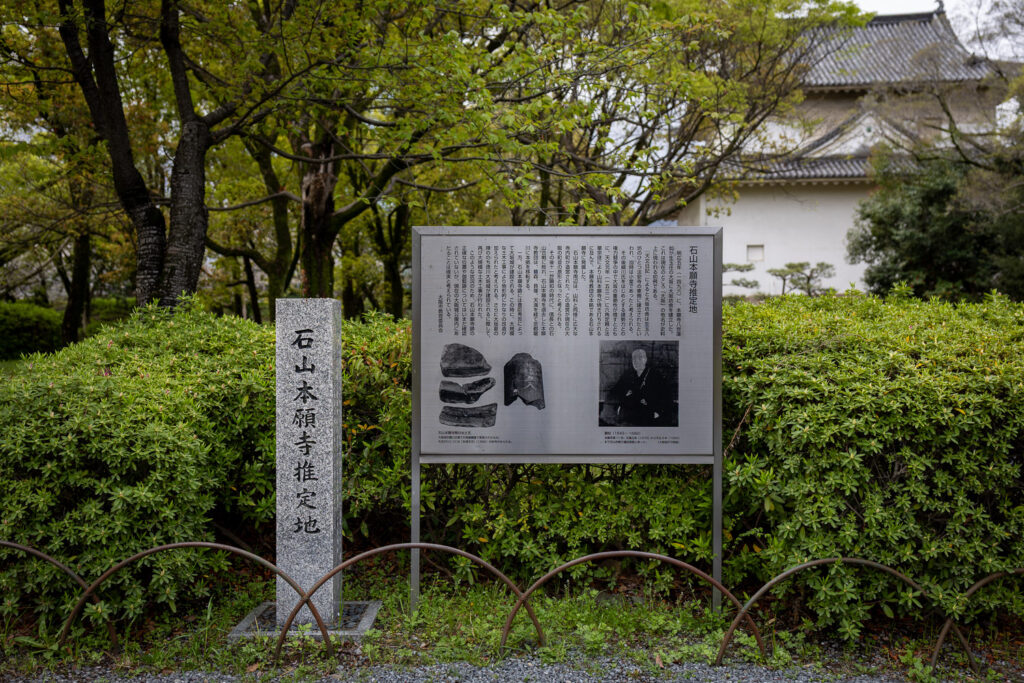
Tourists point cameras at the keep. Pigeons cross the lawn. Elementary school students on field trips run in every direction. And somewhere in the middle of all this, a stone marker and a signboard indicate the estimated location of Ishiyama Honganji. Both are in Japanese only. I have never seen a foreign visitor stop to read them.
From the observation deck of the castle tower, you can see the Yodo River to the southwest. That water carried Mori supply ships for ten years. The river still flows. The castle still stands. The war is almost entirely forgotten.
What You Can Still See Today
The physical remains of Ishiyama Honganji are almost entirely gone. For a deeper dive into the history, the Wikipedia entry on the Ishiyama Honganji War is a reasonable starting point:
→ https://en.wikipedia.org/wiki/Ishiyama_Hongan-ji_War (external link / DoFollow)
Inside the castle grounds, the stone marker and signboard for the estimated Honganji site are easy to miss — and most people do. The castle tower’s history museum focuses primarily on the Toyotomi era, as you’d expect, but the Ishiyama War is represented in the exhibits. Worth reading slowly.
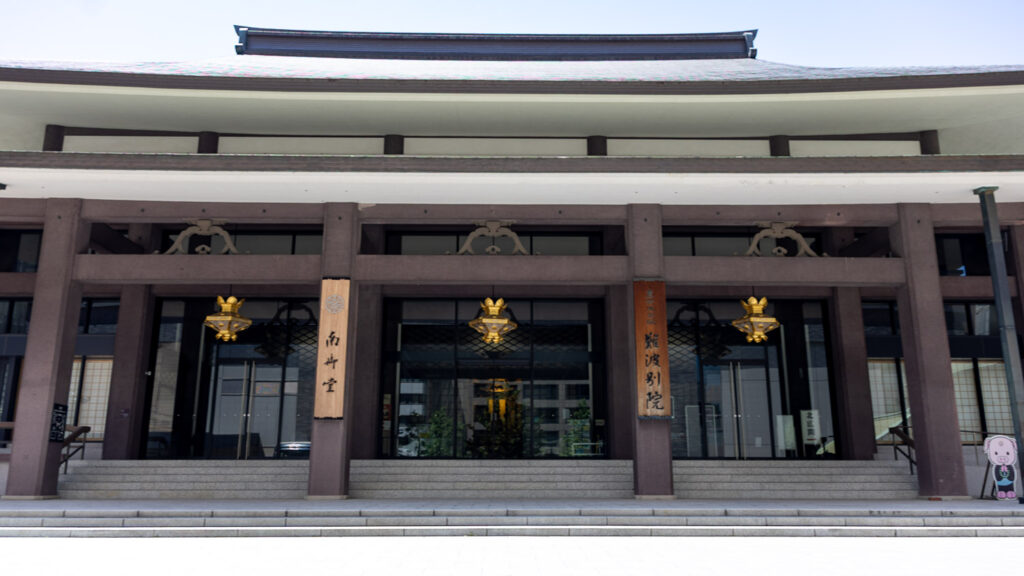
South of the castle, Namba Betsuin — known locally as Minami Mido — marks where the Honganji reestablished its Osaka presence after Kennyo’s withdrawal. It sits in the middle of an office and shopping district, in a building that reads more corporate than religious. Tourists passing between Shinsaibashi and Dotonbori walk past it without a second glance.
That anonymity feels right, somehow. The Honganji has always been better at persistence than spectacle.
Everything you need to know before visiting Osaka Castle — hours, tickets, access, and what to skip — is in the complete [Osaka Castle visitor guide].
→ https://otherplanetjapan.com/osaka-castle/
→ Planning your visit? Start with
Osaka Castle: The Complete Insider’s Guide.